
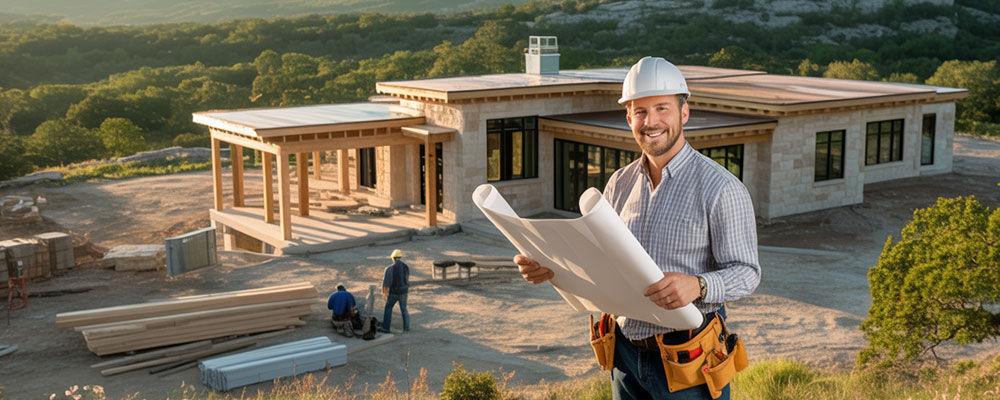
What Does a “Custom Home Builder” Really Mean?
When you choose a custom home builder, you’re choosing a process built around you. Instead of buying a pre-built home or production-built tract house, a custom home builder focuses on personalized home construction, allowing you to design custom floor plans and living spaces that perfectly suit your homeowner’s vision. Many custom home builders work with interior designers and architects to transform the idea of your dream home into reality.
In contrast, mass-produced homes or typical existing homes often come with limited layout options and standard finishes. With custom home building, you have the flexibility to tailor every element, from square footage to the orientation of outdoor spaces.
Benefit 1 – Design Freedom & Personalization
One of the biggest benefits of choosing a custom home builder is complete design freedom. With custom homes, you can create custom floor plans, open floor plans, and flexible living spaces that match your lifestyle. You won’t have to compromise to fit into a pre-existing layout.
When building a custom home, you can work hand-in-hand with your builder and design team to create customized floor plans that reflect your homeowner’s preferences. Need a media room, home gym, or home office? Want an open concept kitchen that flows into your dining room? Everything can be designed to fit you. The process of custom home construction ensures your custom home stands out, fits your family now and in the future, and reflects your unique style.
Benefit 2 – Superior Quality & Craftsmanship
Custom home building often means higher quality craftsmanship. Many custom builders focus on fewer homes, allowing for more attention to detail. Because you’re building from the ground up, you can choose superior quality materials, sustainable building materials, and eco-friendly features such as solar panels, smart home technology, energy efficient appliances, and water-saving fixtures in building greener, more efficient homes.
These choices help reduce costly repairs and maintenance issues over time. Custom construction also gives you more oversight and confidence that each stage of your home construction meets the highest standards. The result is a durable home built with integrity, comfort, and long-term value in mind.
Benefit 3 – Location Flexibility & Lot Choice
Another major benefit is the flexibility to select your lot and design your home around it. You’re not limited to a developer’s subdivision lots. Whether you want a quiet suburban neighborhood or a scenic hill country property, your custom home builder can help you design a layout that makes the most of your surroundings.
You can optimize for views, privacy, natural light, and outdoor spaces. Location is one of the biggest drivers of property value in the real estate market, and by pairing the right lot with a well-designed custom home, you increase your home’s long-term appeal and higher resale value.
Benefit 4 – Energy Efficiency & Sustainability
Energy efficiency and sustainability are more important than ever for U.S. homeowners. When you build a custom home, you can include energy efficient features right from the start — such as solar panels, geothermal heating, smart thermostats, energy efficient appliances, and renewable energy sources.
These eco-friendly upgrades lower your energy consumption, reduce energy costs, and decrease your carbon footprint. A well-designed custom home can maximize natural light and use sustainable materials to improve comfort while lowering utility bills. Over time, the combination of sustainable building materials and efficient systems creates a healthier, more cost-effective living environment.
Benefit 5 – Future-Proofing & Flexibility
Building a custom home allows you to prepare for the future. If you plan to have aging parents move in, need a home office, or want adaptable spaces for young adults, you can design for that flexibility now.
Flexible living spaces mean your home evolves with you. For example, a guest room today could easily convert into a nursery, gym, or office later. Custom home construction makes it easy to design for future technology, lifestyle changes, and sustainability goals.
By integrating smart technology, renewable energy systems, and sustainable materials, your home will stay modern and functional well into the future.
Benefit 6 – Greater Control & Transparency
One of the greatest advantages of custom home building is control. When working with custom home builders, you’re involved in every stage of the building process—from design and budgeting to final inspection.
This transparency means you’ll know exactly where your money is going. You can decide where to invest in superior quality materials and where to be more cost-conscious. This flexibility ensures your custom home is built to your standards, not to a generic template.
Because you have full visibility, you avoid the uncertainty that often comes with buying an existing home or mass-produced model. You’ll be part of a seamless transition from vision to reality.
Benefit 7 – Increased Long-Term Value & Resale Potential
Custom homes typically maintain higher resale value because they’re designed with quality, sustainability, and long-term appeal in mind. A custom built home often outperforms mass-produced homes in the real estate market thanks to its unique features, flexible living spaces, energy efficiency, and superior craftsmanship.
Because you can select high quality materials and energy efficient systems during the build, your home will require fewer costly repairs and offer greater long-term value. Smart home technology, sustainable materials, and modern features help your property stand out to future buyers who appreciate thoughtful design and lower energy bills.
Common Myths & Key Considerations
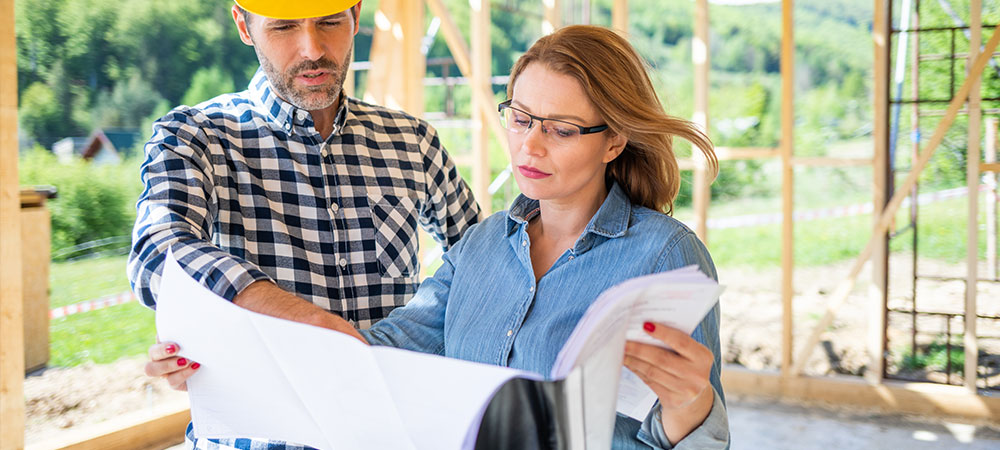
Some homeowners assume building a custom home is always more expensive. In reality, a custom home builder gives you the freedom to control costs. You decide where to spend, perhaps on high-quality finishes or energy efficient systems, and where to save.
Another misconception is that custom home building takes too long. While new construction does take time, the building process offers unmatched customization, energy efficiency, and quality. When you consider the long-term benefits, the investment in time and planning becomes well worth it.
Key considerations for working with a custom builder include choosing the right team, setting a realistic budget, agreeing on materials and timelines, and maintaining open communication throughout the process.
How to Choose the Right Custom Home Builder
Selecting the right builder is one of the most important decisions in building your dream home. Look for custom builders with a strong reputation, proven experience, and a portfolio that demonstrates attention to detail and craftsmanship.
Ask these questions before committing:
- What types of custom floor plans do you offer, and how flexible are they?
- Do you incorporate energy efficient appliances, solar panels, and smart home technology?
- What is your estimated building process timeline?
- How do you handle material selections, upgrades, and budget changes?
- How do you communicate progress and manage quality control?
Choosing a builder that values transparency, sustainable materials, and high quality construction will ensure your home is built to last.
Maximizing the Benefits of Working with a Custom Home Builder
Here are a few practical tips for making the most of your custom build:
- Define your must-haves early—like an open concept kitchen, flexible spaces, or a large outdoor area.
- Get involved in the design process so your home aligns with your lifestyle.
- Choose high quality materials and systems that improve energy efficiency.
- Discuss renewable energy options such as solar panels or geothermal heating.
- Use sustainable building materials where possible to reduce environmental impact.
- Track your budget and project timeline with your builder regularly.
- Build flexibility into your design so your home can adapt as your life changes.
- Maintain open communication with your builder and insist on clear documentation at every step.
By being proactive, you’ll create a custom house that reflects your homeowner’s preferences while staying within budget.
Real-Life Example
A Texas couple decided to build a custom home in a quiet suburban neighborhood instead of buying an existing home. They partnered with a local custom home builder to select a lot with ideal orientation, then worked with interior designers to create custom floor plans featuring an open floor plan, home office, and outdoor entertainment area.
Their new custom home included solar panels, smart thermostats, and water-saving fixtures to improve energy efficiency. By choosing high quality materials and energy efficient systems, they lowered their utility bills while increasing comfort and sustainability.
When they later had to relocate, their custom built home sold quickly and at a premium. The flexible design, unique style, and modern features resonated strongly with buyers—proving the long-term value of building a custom home.
Frequently Asked Questions
What’s the difference between a custom home builder and a production builder?
A custom home builder offers fully personalized home construction, including custom floor plans, design features, and energy efficient systems. A production builder typically builds many homes using a few standardized plans with limited options.
How long does building a custom home take compared to buying an existing home?
Custom home construction can take 12 to 18 months or more, depending on the design and site conditions. Buying an existing home is faster, but you lose the ability to customize and optimize for energy efficiency or layout.
Is building a custom home cost-effective?
While upfront costs may be higher, custom homes can be more cost-effective over time thanks to energy efficient systems, fewer maintenance issues, and better construction quality.
What upgrades offer the best return on investment?
Solar panels, energy efficient appliances, sustainable materials, and smart home technology provide excellent ROI and help lower energy bills.
How do I ensure quality throughout the process?
Choose a reputable custom builder with proven experience. Request site visits, verify materials, and maintain consistent communication. Transparency and accountability are key to ensuring your dream home meets expectations.
Wrapping Things Up
Choosing a custom home builder offers unmatched advantages, from total design freedom and superior craftsmanship to energy efficiency, sustainability, and higher resale value. When you build your own custom home, you create a space that perfectly suits your lifestyle and future needs.
While the process requires time and planning, the rewards are long-lasting: fewer maintenance issues, lower energy usage, and a deep emotional connection to a home that reflects you.
If you’re ready to start building your dream home, partner with River Hills Homes, a trusted custom home builder proudly serving New Braunfels, Spring Branch, Canyon Lake, Bulverde, Boerne, Marble Falls, Fair Oaks Ranch, Wimberley, Spicewood, and San Antonio.