

The rolling hills of Central Texas offer more than just breathtaking natural beauty and rustic charm – they provide a unique opportunity to create homes that are both energy efficient and authentically styled. The texas hill country region’s distinctive climate, terrain, and building traditions make it an ideal location for implementing cutting-edge energy efficient home design ideas that can dramatically reduce utility costs while enhancing comfort and sustainability.
Modern hill country homes that incorporate energy efficiency principles typically achieve 25-40% lower utility costs compared to standard construction, with HERS scores between 45-60 easily attainable in Central Texas climate zones. These homes seamlessly blend the region’s beloved architectural heritage with smart technology and sustainable materials, creating living spaces that honor the past while embracing the future.
Whether you’re working with custom home builders in New Braunfels to create your dream home or retrofitting an existing hill country home, understanding how to leverage the region’s natural advantages will help you maximize both energy savings and authentic hill country style. From strategic site orientation to advanced insulation techniques, the following energy efficient home design ideas will transform how you think about building in this remarkable texas hill country region.
Why Hill Country Homes are Perfect for Energy Efficiency
The texas hill country’s unique climate and landscape provide natural advantages that make energy efficient design not just possible, but highly effective. The region’s rolling hills create natural windbreaks that protect homes from harsh northern winter winds while allowing beneficial summer breezes to flow through outdoor living spaces. This natural topography, combined with Central Texas’s abundant sunshine, creates ideal conditions for implementing passive solar design strategies.
Traditional hill country materials like locally sourced limestone and timber already possess excellent thermal mass properties that help regulate indoor temperatures naturally. When early settlers built homes in this region, they unknowingly incorporated many energy efficient principles – thick limestone walls that absorbed heat during the day and released it slowly at night, deep porches that provided shade and created outdoor living space, and strategic orientation to take advantage of prevailing winds.
Modern energy efficient hill country homes build upon these time-tested principles while incorporating cutting edge technology and sustainable materials. The region’s mixed-humid climate zone (CZ 2A/3A) provides approximately 4.5-5.2 peak sun hours daily, making it exceptionally well-suited for solar energy systems. Combined with the area’s excellent wind patterns and natural shading opportunities from mature oak trees, homeowners can achieve remarkable energy savings.
Energy efficient hill country homes typically achieve 25-40% lower utility costs than standard construction, with some high-performance homes reaching near net-zero energy consumption. The key lies in working with the natural environment rather than against it, using the landscape and climate as allies in creating comfortable, sustainable living spaces that maintain the authentic hill country style that families have cherished for generations.
Essential Energy Efficiency Strategies for Hill Country Terrain
Understanding how to adapt energy efficient design strategies to the hill country’s specific topography and climate conditions is crucial for maximizing both performance and cost effectiveness. The region’s mixed-humid climate presents unique challenges, including extreme summer heat, occasional winter freezes, and significant daily temperature swings that require thoughtful design solutions.
These proven strategies work harmoniously with traditional hill country architectural styles while delivering measurable energy savings. By focusing on techniques that have been tested and refined specifically for Central Texas conditions, homeowners can achieve optimal performance without compromising the authentic character that makes hill country homes so appealing.
Site Orientation and Passive Solar Design
Strategic site orientation forms the foundation of any energy efficient hill country custom home design. Position main living spaces facing south to capture beneficial winter sun, which can reduce heating needs by 15-30% during the region’s cooler months. This solar orientation allows natural light to penetrate deep into interior spaces, reducing the need for artificial lighting while creating warm, inviting living spaces that showcase the natural beauty of the surrounding landscape.
The hill country’s natural topography provides excellent opportunities to shield homes from prevailing north winds that can increase winter heating costs. Work with the land’s natural contours to position your home where it receives maximum protection from cold winter winds while still capturing cooling summer breezes from the southeast. This strategic placement, combined with the area’s rolling hills, creates natural climate control that reduces both heating and cooling loads throughout the year.

Mature oak trees, a hallmark of the texas hill country region, provide natural shading that can reduce cooling costs by 10-20% when properly positioned. These deciduous trees offer summer cooling while allowing winter sun to reach your home after leaves fall, creating a perfect natural climate control system. Strategic landscaping with native plants and trees enhances this effect while maintaining the authentic hill country aesthetic that homeowners love.
Extend traditional hill country roof overhangs to 3-4 feet for optimal shading during hot Texas summers. These deep overhangs, combined with wraparound porches on south and west sides, create additional thermal buffer zones that keep direct sunlight from heating interior spaces. The generous outdoor living space created by these porches also provides comfortable areas for family gatherings while reducing the solar heat gain that would otherwise increase cooling loads.
Hill Country Climate-Specific Insulation and Air Sealing
The extreme summer heat common in areas like Boerne and Fredericksburg requires robust insulation strategies that go beyond standard building practices. Achieve R-38 to R-49 attic insulation to effectively handle the intense solar radiation that can drive attic temperatures above 140°F during peak summer months. This level of insulation, combined with proper air sealing, creates a thermal barrier that keeps conditioned air inside while blocking unwanted heat transfer.
Spray foam insulation proves particularly effective in limestone walls, where it prevents air leaks through the natural joints and fissures found in traditional stone construction. This approach allows homeowners to maintain the authentic appearance of limestone walls while achieving modern energy efficiency standards. The spray foam fills gaps that would otherwise allow conditioned air to escape and outdoor air to infiltrate, creating a continuous thermal and air barrier.
Target airtightness levels of 3.0 ACH50 or better using continuous air barriers behind natural stone facades. This level of air sealing significantly reduces energy waste while maintaining healthy indoor air quality through controlled mechanical ventilation. Proper air sealing becomes even more critical in hill country homes due to the region’s temperature swings and wind exposure.
Installing radiant barriers in attics reflects summer heat away from living spaces, reducing cooling loads by 10-15% in the intense Central Texas heat. These reflective barriers work particularly well under traditional metal roofing, which is common in hill country style homes. When combined with adequate ventilation, radiant barriers help maintain more stable attic temperatures year-round.
Pay special attention to sealing around traditional hill country features like exposed beam penetrations and stone chimneys, where air leakage commonly occurs. These architectural elements add character and authenticity to hill country homes but can create significant energy losses if not properly sealed during construction or renovation.
Native Materials That Boost Energy Performance
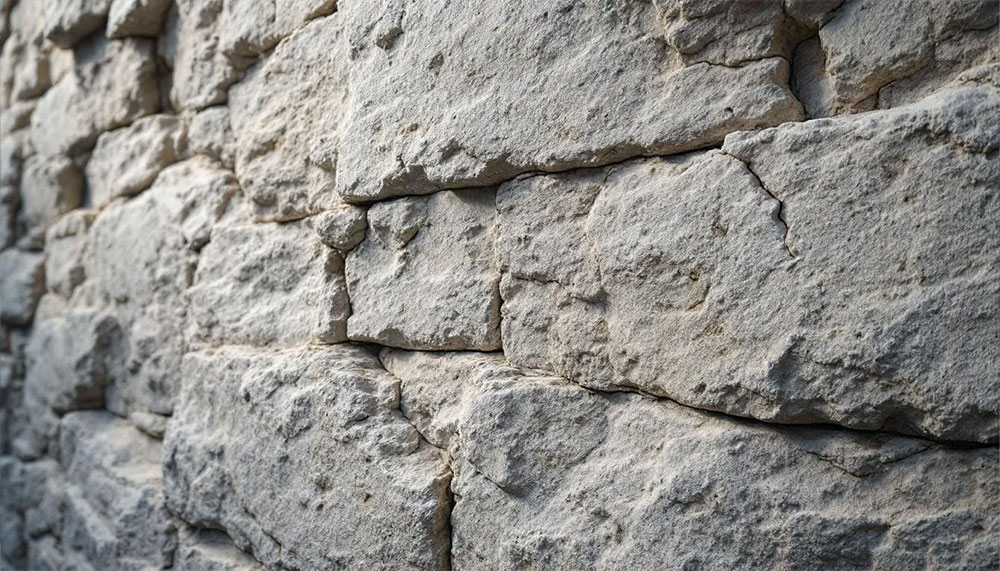
The texas hill country’s abundant natural materials offer unique opportunities to enhance energy efficiency while maintaining authentic regional character. Traditional materials like limestone, cedar, and metal roofing can be incorporated into high-performance building assemblies that deliver both aesthetic appeal and measurable energy savings. Understanding how to optimize these locally sourced materials allows homeowners to create environmentally responsible homes that celebrate the region’s natural beauty.
Local quarries in areas like Dripping Springs and Marble Falls provide sustainable material sources that reduce transportation costs and environmental impact while supporting the regional economy. These materials have been tested by generations of use in the hill country climate, proving their durability and performance in the region’s challenging conditions.
Limestone Thermal Mass Applications
Limestone’s exceptional thermal mass properties make it an ideal material for moderating the daily temperature swings common in Central Texas. Use 12-18 inch limestone walls as thermal batteries that absorb excess heat during hot days and slowly release it during cooler evenings, creating more stable indoor temperatures with less reliance on mechanical heating and cooling systems.
Position limestone accent walls on south-facing interior spaces to store and release solar heat throughout the day. This passive solar strategy works particularly well in main living spaces and open floor plan designs where the thermal mass can effectively moderate temperatures across large areas. The stone’s natural beauty adds to the home’s aesthetic appeal while providing functional energy benefits.
Combine limestone with continuous exterior insulation to achieve R-20 wall performance while maintaining the material’s thermal mass benefits. This hybrid approach allows the limestone to function as thermal storage while preventing heat transfer through the wall assembly. Modern insulation techniques can be seamlessly integrated behind limestone facades without compromising the authentic hill country appearance.
Interior limestone floors provide another opportunity to store cool nighttime temperatures for next-day comfort. During summer months, these floors absorb cool air from natural ventilation or air conditioning during evening hours, then slowly release this cooling effect throughout the following day. This thermal storage effect reduces the load on cooling systems while creating comfortable indoor environments.
High-Performance Windows in Hill Country Style
Specify triple-pane windows with U-values between 0.20-0.25 to provide maximum protection against extreme Texas heat while maintaining crystal-clear views of the natural beauty surrounding hill country homes. These high-performance windows represent a significant advancement over traditional single-pane windows, offering superior insulation without sacrificing the large window areas that are characteristic of hill country style homes.
Low-E coatings on window glass block 70% of solar heat gain while preserving the natural light that makes hill country homes so bright and welcoming. This selective filtering allows homeowners to enjoy expansive views and abundant natural light while minimizing unwanted heat transfer that would increase cooling costs. The coatings are virtually invisible, maintaining the clean lines and transparency that define hill country window design.

Install operable casement windows to capture the prevailing southeast breezes that provide natural cooling throughout much of the year. These windows can be strategically opened during cooler evening hours to flush hot air from the home and draw in cool night air, reducing the need for air conditioning. Proper window placement creates cross-ventilation patterns that enhance natural cooling while maintaining security and weather protection.
Frame windows in traditional cedar or modern fiberglass materials that complement hill country aesthetics while providing superior thermal performance. Cedar frames offer authentic appearance and natural insulation properties, while fiberglass frames provide exceptional durability and thermal performance with minimal maintenance requirements. Both options can be finished to match traditional hill country color palettes.
Size windows at 15-20% of floor area to balance abundant daylight with optimal thermal performance. This ratio provides sufficient natural light to minimize artificial lighting needs while preventing excessive heat gain that could overwhelm cooling systems. Strategic window placement maximizes views of the rolling hills and natural landscape while optimizing energy performance.
Smart Technology Integration for Hill Country Living

Modern smart home technology integrates seamlessly with traditional hill country home design, enhancing both energy efficiency and comfort while maintaining the authentic character that defines the region’s architectural heritage. These technological solutions complement natural design strategies by providing precise control over energy systems and optimizing performance based on local weather patterns and occupancy schedules.
Smart technology systems can be discretely integrated into hill country homes without disrupting clean lines or rustic charm that homeowners value. Many systems operate behind the scenes, automatically adjusting to maximize efficiency while allowing families to focus on enjoying their living spaces and the natural environment that surrounds them.
HVAC Systems Designed for Texas Heat
Install variable-speed heat pumps with SEER ratings between 16-20 to efficiently handle the demanding cooling requirements of Central Texas summers. These advanced systems automatically adjust capacity to match actual cooling needs, operating more efficiently during moderate weather while providing full cooling power during peak heat conditions. Variable-speed operation also provides better humidity control, which is crucial for maintaining comfort in the region’s mixed-humid climate.
Implement zoned HVAC systems that allow main living areas to be cooled efficiently while permitting bedrooms and less-frequently used spaces to operate at higher temperatures during peak hours. This strategy takes advantage of the natural patterns of living sustainably in the Hill Country, where families often gather in central living spaces during the day and retreat to cooler bedrooms for sleeping. Zoning can reduce cooling costs by 20-30% while maintaining comfort in occupied areas.
Add whole-house fans that pull cool hill country evening air through homes naturally, taking advantage of the significant temperature drops that occur after sunset throughout much of the year. These fans create powerful natural ventilation that can quickly flush hot air from the home and replace it with cooler outdoor air, often eliminating the need for air conditioning during spring and fall months.
Position outdoor HVAC units in shaded areas created by traditional hill country landscaping to improve efficiency and extend equipment life. Units placed in full sun can lose 10-15% of their rated efficiency, while those in shaded locations operate more effectively and require less maintenance. Native trees and shrubs provide natural screening while improving system performance.
Integrate smart thermostats that automatically adjust for Texas weather patterns and time-of-use electricity rates offered by many Central Texas utilities. These systems learn family schedules and preferences while monitoring local weather forecasts to pre-cool homes before peak rate periods and minimize energy use when rates are highest.
Solar Power for Hill Country Homes
Central Texas receives 4.5-5.2 peak sun hours daily throughout most of the year, creating ideal conditions for solar energy production that can dramatically reduce or eliminate electricity bills for hill country homes. This abundant solar resource, combined with decreasing equipment costs and attractive financial incentives, makes solar power an increasingly cost effective option for homeowners throughout the region.
A typical 2,500 square foot hill country home requires 25-30 solar panels to achieve net-zero energy consumption, depending on energy efficiency measures and household electricity usage patterns. These installations can be designed to complement traditional hill country rooflines while providing decades of clean energy production that protects homeowners from rising utility costs.

Metal roofing, which is commonly used in hill country style homes for durability and fire resistance, provides an ideal mounting surface for solar arrays. The standing-seam profiles typical of hill country metal roofs allow solar panels to be attached without penetrating the roof membrane, reducing installation costs and eliminating potential leak points. The reflective properties of metal roofing also help solar panels operate more efficiently by keeping roof temperatures lower.
Battery storage systems provide power security during the Texas grid outages that occasionally affect rural hill country areas while also reducing peak demand charges that can significantly increase electricity costs. Modern battery systems can provide backup power for essential systems during outages while automatically managing energy storage and release to minimize utility costs during normal operation.
Solar installations qualify for the 30% federal tax credit through 2032, plus additional rebates up to $2,500 available through Austin Energy and other local utilities serving the hill country region. These incentives can reduce the installed cost of solar systems by 40-50%, creating attractive payback periods of 6-8 years while providing 25+ years of energy production.
Construction Techniques for Hill Country Energy Efficiency
Advanced construction techniques specifically adapted to hill country conditions enable builders to achieve superior energy performance while working with the region’s unique limestone geology and clay soil conditions. These methods integrate seamlessly with traditional hill country architectural elements, allowing custom home builders to create homes that honor regional traditions while incorporating the latest building science advances.
Understanding how to properly integrate these techniques with limestone construction and cedar siding ensures that energy efficiency improvements enhance rather than compromise the authentic character that makes hill country homes so distinctive. Experienced teams familiar with both traditional building methods and modern performance standards can achieve optimal results.
Advanced Framing for Limestone and Cedar Construction
Use 2×6 framing at 24-inch centers to reduce thermal bridging while providing adequate structural support for limestone veneer applications common in hill country construction. This framing approach reduces the amount of wood (a thermal bridge) in the wall assembly while creating additional space for insulation. The wider stud spacing also speeds construction and reduces material costs while improving overall thermal performance.
Structural insulated panels (SIPs) can achieve R-25 wall performance while supporting traditional cedar siding that maintains authentic hill country aesthetics. SIPs construction provides superior air sealing compared to stick framing while creating extremely strong wall assemblies that can span large openings for the expansive windows popular in hill country design. The panels can be manufactured to accommodate electrical and plumbing systems while maintaining thermal integrity.
Add continuous exterior insulation behind limestone facades to eliminate thermal bridging through framing members. This approach allows the limestone to provide thermal mass benefits while preventing heat transfer through the structural system. Continuous insulation also helps prevent condensation issues that can occur when warm, humid air contacts cool surfaces within wall assemblies.
Insulated concrete forms (ICF) work exceptionally well for basements and foundations in the hill country’s limestone geology, providing both structural strength and thermal performance. ICF construction creates extremely airtight foundation walls with excellent thermal mass characteristics. The concrete core provides structural support for heavy limestone construction while the integral insulation prevents energy losses through below-grade walls.
Integrate advanced framing techniques with traditional post-and-beam aesthetics by using decorative timbers that enhance hill country character without compromising thermal performance. Exposed beams can be purely decorative, allowing the structural system to be optimized for energy efficiency while maintaining the rustic charm that defines hill country style homes.
Cool Roofing Solutions for Hill Country Style
Select metal roofing with reflective coatings that can reduce attic temperatures by 30-50°F compared to traditional dark-colored roofing materials. Cool metal roofing reflects solar energy rather than absorbing it, dramatically reducing heat transfer into attic spaces and lowering cooling loads throughout the house. These coatings are available in traditional hill country colors including sage green, weathered copper, and galvanized steel finishes.
Light-colored limestone or clay tiles provide natural cooling benefits while maintaining authentic hill country appearance. These materials reflect significant amounts of solar energy while providing the thermal mass benefits that help moderate indoor temperatures. Limestone and clay tiles also offer exceptional durability in the region’s climate conditions, often lasting 50-100 years with minimal maintenance.

Install radiant barrier sheathing under traditional cedar shingles to provide thermal protection while maintaining the natural wood appearance prized in hill country design. This approach allows homeowners to use authentic cedar roofing materials while achieving modern thermal performance standards. The radiant barrier reflects heat away from the roof deck, keeping attic spaces cooler and reducing cooling loads.
Add ridge vents and soffit ventilation to create natural airflow through attic spaces, which helps maintain cooler temperatures and prevents moisture buildup that can damage roofing materials. Proper attic ventilation extends roof life while improving energy efficiency. In the hill country climate, good ventilation is essential for managing both heat and occasional humidity issues.
Consider standing-seam metal roofing in traditional colors like sage green or weathered copper that complement the natural landscape of rolling hills and native vegetation. These earth-tone colors help homes blend naturally with their surroundings while providing superior thermal performance and compatibility with solar installations.
Financing and Incentives for Hill Country Energy Upgrades

Understanding the financial landscape for energy efficient home improvements in the texas hill country region helps homeowners make informed decisions about which upgrades provide the best return on investment. Numerous state, federal, and utility-specific programs provide financial assistance that can significantly reduce the upfront costs of energy efficiency improvements while accelerating payback periods.
These programs recognize that energy efficient homes provide benefits beyond individual cost savings, including reduced strain on the electrical grid, improved air quality, and enhanced community resilience. Taking advantage of available incentives allows homeowners to implement more comprehensive energy efficiency measures than would otherwise be cost effective.
Texas-Specific Energy Incentives and Rebates
Austin Energy offers rebates up to $8,000 for high-performance homes built in surrounding hill country areas that meet specific energy efficiency requirements. These rebates are available for both new construction and major renovations that achieve significant energy savings compared to standard building practices. The program requires third-party energy rating verification but provides substantial financial support for homeowners committed to energy efficiency.
CPS Energy provides rebates up to $4,500 for homes that achieve HERS ratings of 65 or better, making energy efficient construction more affordable throughout much of the texas hill country region. These rebates can be combined with other incentives to create attractive financial packages that offset much of the additional cost associated with high-performance construction techniques and materials.
Federal tax credits allow homeowners to deduct 30% of solar installation costs through 2032, then 26% in 2033, providing significant financial incentives for renewable energy adoption. These credits apply to the full installed cost of solar systems including equipment, labor, and electrical upgrades, making solar power increasingly cost effective for hill country homeowners. The credits can be carried forward if they exceed tax liability in any given year.
Energy-efficient mortgages increase borrowing power by $5,000-$8,000 for qualifying homes that meet specific efficiency standards. These specialized loan products recognize that energy efficient homes have lower operating costs, allowing homeowners to qualify for larger mortgages based on reduced utility expenses. Many lenders in Central Texas now offer these products as standard options.
PACE financing available in Travis and Hays counties covers upfront costs for energy improvements with repayment through property tax assessments over 10-20 years. This financing mechanism allows homeowners to implement comprehensive efficiency upgrades without large upfront investments, with payments that typically offset by utility savings. The financing stays with the property if sold, transferring both costs and benefits to new owners.
Cost-Benefit Analysis for Hill Country Energy Features
High-performance energy efficient windows typically add $8,000-$12,000 to construction costs but can reduce cooling expenses by $800-$1,200 annually in the demanding Central Texas climate. These windows pay for themselves in 7-10 years while providing improved comfort, reduced noise, and enhanced property values. The investment becomes even more attractive when combined with available utility rebates and tax incentives.
Spray foam insulation costs approximately 40% more than traditional fiberglass insulation but can cut total energy bills by 25-35% through superior air sealing and thermal performance. In hill country homes where cooling represents 60-70% of annual energy costs, this upgrade typically pays for itself in 8-12 years while providing improved comfort and indoor air quality throughout the home’s life.
Solar energy systems average $18,000-$25,000 after incentives for typical hill country homes, with payback periods of 6-8 years based on current utility rates and net metering policies. These systems provide 25+ years of energy production, often eliminating electricity bills entirely while protecting homeowners from future rate increases. Battery storage adds $10,000-$15,000 but provides energy security and additional grid management benefits.
Smart HVAC systems with variable-speed technology and zoning controls cost $3,000-$5,000 more than standard equipment but typically save $600-$900 annually on utility bills through improved efficiency and better system management. These systems also provide enhanced comfort control and can extend equipment life through more efficient operation patterns.
Energy efficient hill country homes typically command 3-5% higher sale prices than comparable standard homes, reflecting buyer recognition of lower operating costs, improved comfort, and enhanced sustainability. This market premium helps offset the initial investment in efficiency measures while providing ongoing benefits to homeowners who choose to stay in their homes long-term. Recent years have shown increasing buyer demand for sustainable home features as environmental impact awareness grows among families exploring options for their dream home.
The combination of lower operating costs, available incentives, and market premiums makes energy efficient design an increasingly smart financial choice for hill country homeowners. Whether building a custom home with experienced team of builders or retrofrating an existing house, the return on investment for energy efficiency measures continues to improve as utility costs rise and technology advances create more cost effective solutions.
Smart planning that integrates energy efficiency with authentic hill country style allows homeowners to create living spaces that honor the region’s heritage while embracing modern sustainability principles. The natural beauty of the texas hill country region, combined with thoughtful design that works with rather than against the environment, creates homes that provide superior comfort, lower environmental impact, and genuine long-term value for families who call this remarkable landscape home. If you’re planning to build an energy-efficient custom home in the Texas Hill Country, areas like New Braunfels and Boerne offer ideal terrain and community incentives.