
Building on Driftwood acreage is not like building on a flat lot in town. This is thin soil over limestone, well water, and septic on the edge of the Edwards Plateau, and it rewards a builder who knows the rock and the rules by heart.
River Hills Homes builds custom homes throughout Driftwood and the surrounding Hill Country of Hays County, from the acreage of Rim Rock to the ranch land and wineries along RM 150. Driftwood is a small place, 106 people at the 2020 census, that lives much larger than its size: barbecue-and-wine country on the edge of the Edwards Plateau, home to The Salt Lick, wineries like Duchman Family Winery and Driftwood Estate Winery, Vista Brewing, and the spring-fed run of Onion Creek.
It sits just south of Dripping Springs, the first International Dark Sky Community in Texas, and many acreage communities here keep to dark-sky-friendly lighting, so people build for space, privacy, big views, and nights dark enough to see stars, all within reach of Dripping Springs and Austin. Building on that land means planning for real conditions from day one: thin soil over hard limestone, a private well drawing the Trinity Aquifer, a septic system the county permits no matter the lot size, and, on many lots, the Edwards Aquifer Recharge Zone rules that can set a one-acre minimum per home.
River Hills builds all of it into the plan and the budget before ground breaks, and hands you a line-item budget and financial records you can check the whole way. We have built across the Hill Country since 2007, and in Driftwood that starts with our own community at Rim Rock. And the home itself is yours: River Hills builds in any style, from clean modern to classic Hill Country to a formal French chateau, so it matches your taste, not a look we default to.
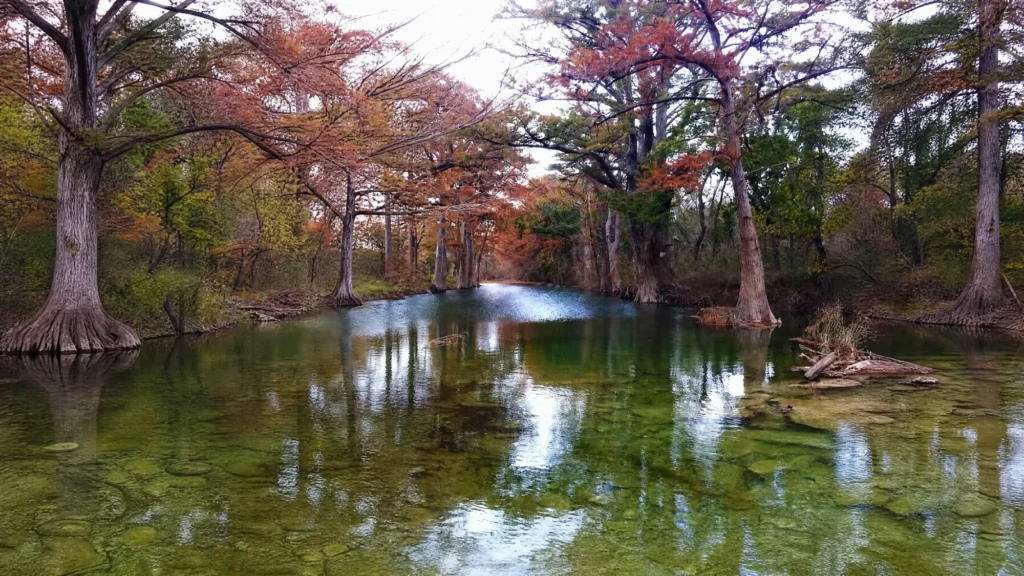
What It Takes to Build in Driftwood
Every great Driftwood lot comes with a few things the listing photos leave out. None of them are a problem when you plan for them, and all of them get expensive when you do not.
- The rock is close, and every lot is different. This is the eastern edge of the Edwards Plateau: thin, shallow soil over hard limestone, often with a caliche layer underneath, and karst ground that moves water in ways you cannot see from the road. Foundations get engineered for the specific lot, and site work can mean rock excavation, drainage planning, and sometimes imported soil. It is why two lots on the same road can carry very different site costs.
- Your water is a well, and your septic is yours too. Most Driftwood homes run on a private well into the Trinity Aquifer, not city water, and every well here is registered with the Hays Trinity Groundwater Conservation District before drilling. There is no municipal sewer either, so every home needs its own septic system, and the county requires a permit for it no matter how large the lot is. We design the well and the septic into the site plan and the budget from day one.
- The recharge zone can decide your lot size. Parts of the area sit over the Edwards Aquifer Recharge Zone, where surface water feeds straight into the aquifer below, and that carries its own state rules: a minimum of at least one acre per single-family home for septic, plus setbacks that keep a septic tank at least 50 feet, and a drain field at least 150 feet, from any recharge feature on the lot. Whether a given lot is affected depends on exactly where it sits, so we check it before you buy, not after.
- County rules, not city zoning. Driftwood is unincorporated, so there is no city government and no city zoning. Building is governed by Hays County’s subdivision rules and permits run through Hays County Development Services, and on this runoff-prone terrain that includes siting the home and its drainage the right way. Timing matters too: in dry years the groundwater district has entered drought stages that pause new non-exempt well permits, and we plan around that instead of being surprised by it.
The Custom Home Building Process

At River Hills Homes, building a home is a process you can follow, not a black box. From the first conversation to the final walkthrough, you know what is happening and why. Here is how a Driftwood build works.
We begin by getting to know you, your lifestyle, and your preferences. Understanding your needs, family dynamics, and design style allows us to develop a plan that matches your expectations.
Once we have a clear understanding of your goals, we help you choose the right land around Driftwood, from a Rim Rock acreage lot to a tract along the wineries or in the recharge zone. We know the area, so we can tell you what a given lot will really cost to build on, the rock, the well, the septic, and any recharge-zone rules, before you commit.
Our team of architects and designers work with you to develop a unique design plan. This stage is where you choose features, layouts, and other important specifications to ensure your home is exactly how you envision it. We take into account every aspect of your new home, from the number of bedrooms to the finishing touches that make it special.
With the design finalized, our expert home builders begin construction. We use only the highest quality materials to ensure durability, functionality, and beauty. Throughout the construction process, we stay in constant communication to keep you updated on progress and timelines.
Before we hand over the keys, we conduct a final walk-through to ensure every aspect meets your approval. Our focus is on delivering a quality home that surpasses your expectations.
You See Where Every Dollar Goes
On a Driftwood custom home, the scary part is usually not the rock or the well. It is not knowing where your money is going. River Hills is built to remove that worry.
Every project gets its own dedicated account, so your money is never pooled with another job. You get the line-item estimates, the bank statements, and the lien releases for your home, so you can check where every dollar went instead of taking it on faith. There are no vendor kickbacks. It is the reason our most detail-minded clients, the ones who read every page before they sign, tend to relax once they see how we run a build.
From a Raw Lot to a Real Budget
River Hills can start before you own the land. We help you evaluate or find the right lot, our Property Locator service, then turn it into a real, line-item budget, our Budget Cost Analysis, before you are committed. On Driftwood acreage that step matters even more than usual, because the rock, the well, the septic, and whether the lot falls in the recharge zone can swing the real cost far more than the asking price does. Land, plan, budget, build, one path with the same team.
Communities We Build In Around Driftwood
River Hills builds on your lot across Driftwood, and it starts with the community we already build in here:
- Rim Rock (Rim Rock Ranch), the acreage community off RM 1826, south of Nutty Brown Road, with roughly 675 homes on 1 to 2 acre lots and a quiet, secluded, rural feel. This one is our own ground in Driftwood: Rim Rock is a River Hills community, and we build here.
We also build on lots throughout Driftwood’s other acreage communities, and we know the terrain, the amenities, and the covenants that come with each:
- Driftwood Golf and Ranch Club, the 800-acre gated golf community near The Salt Lick, with a Tom Fazio championship golf course and homesites up to about 3 acres. It is the high end of custom building in Driftwood.
- La Ventana, a gated acreage and equestrian community off FM 150 and Elder Hill Road, with lots of 1 to 5 acres and larger and resort-style amenities.
- Howard Ranch, a 240-acre gated, conservation-minded community along Ranch Road 12, with about 125 homes on lots of 1 to 4 acres and larger, a large conservation easement, trails, and Onion Creek frontage on some lots.
No lot yet? Finding the right one is where a lot of Driftwood budgets are won or lost, and helping you do that is a service we run.
Frequently Asked Questions
Do Driftwood homes use a well and septic, or city utilities?
Most use a private well and their own septic system, not city utilities. Water out here comes from the Trinity Aquifer, and every well in this part of Hays County is registered with the Hays Trinity Groundwater Conservation District before it is drilled. Wells for a household are generally exempt from a full operating permit, but they still have to be registered, and in dry years the district has entered drought stages that pause new non-exempt permits, so timing can matter. There is no municipal sewer in Driftwood either, so every home needs its own on-site septic system, and the county requires a permit for it no matter how large the lot is. River Hills designs the well and the septic into the site plan and the budget from the very beginning, because on rural Hill Country land they are part of what makes a home livable, not afterthoughts. We will also tell you honestly what a given lot will need before you buy it, which is exactly what our lot-evaluation service is for.
What is the Edwards Aquifer Recharge Zone, and will it affect my build?
It might, and it is worth knowing before you buy. Part of the Driftwood area sits over the Edwards Aquifer Recharge Zone, which is land where surface water feeds directly into the aquifer below. Because of that, the state sets extra rules for any home on a septic system there: a minimum of at least one acre per single-family home, a septic tank kept at least 50 feet from any recharge feature on the lot, and a drain field kept at least 150 feet from one. Whether your specific lot is affected depends on exactly where it sits, because the zone follows the geology, not the property lines. This is one of the reasons a Driftwood lot deserves a real look before you commit to it. River Hills checks the recharge-zone question as part of evaluating a lot, so the answer shapes the site plan and the budget from the start instead of turning up after you own the land.
How much does it cost to build a custom home in Driftwood?
The honest answer is that it depends almost entirely on the lot, because site work on Hill Country land varies a great deal from one tract to the next: the rock, the slope, the driveway, the well, the septic, and whether the lot falls in the recharge zone all move the number. The most accurate figure does not come from a price-per-square-foot rule of thumb. It comes from walking the specific lot and building a real, line-item budget for it. That is our Budget Cost Analysis, and it is how you avoid the classic Driftwood surprise: a cheap-looking lot that turns into an expensive build. With River Hills you see that budget in full detail, along with the financial records as the home goes up, so the number you understand at the start is the number you can follow all the way to move-in.
How long does it take to build a custom home here?
Most custom homes take about 12 to 14 months from breaking ground to move-in, though the real answer depends on the design, the lot, and your selections. River Hills runs the schedule through a project-management portal, so you can see progress, photos, and the current timeline the whole way instead of wondering. Hill Country builds can be moved by weather, by site work on rock, and by long-lead materials, and the difference with a builder who knows the area is that you hear about a change as it happens, not after the fact. Every build closes with walkthroughs at completion, around 45 days, and around 11 months, backed by an in-house warranty.
Thinking About Building in Driftwood?
Let us walk your lot, or help you find the right one, and build you a real budget with no surprises in it. Call (830) 643-0501 or reach us through the contact page.