
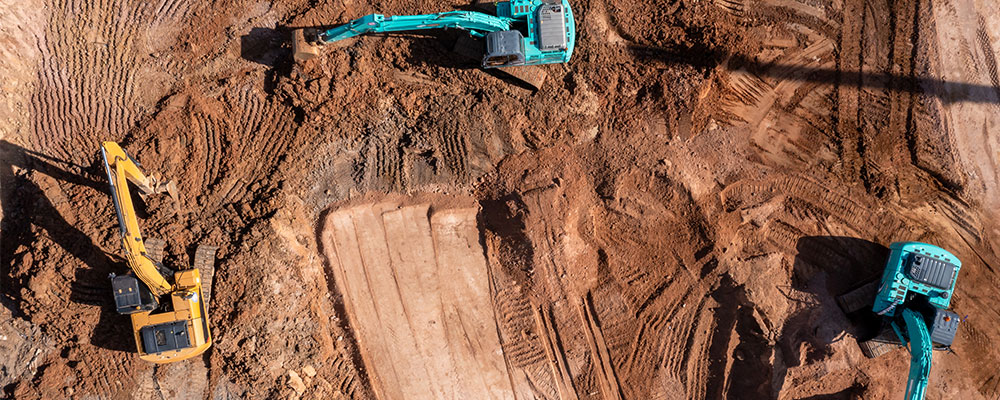
Building a custom home in the Texas Hill Country begins long before framing starts. The land itself shapes the entire project. Limestone bedrock, sloped terrain, thick tree cover, and fast moving runoff all affect how a property must be prepared. Proper site prep ensures stability, safety, and cost control before construction begins.
Site prep Hill Country projects require detailed planning and local expertise. Without proper site preparation, homes face issues like foundation shifting, poor drainage, and unexpected delays. Thoughtful preparation protects your investment and helps your building project move forward with confidence and clarity.
Why Site Prep Matters in the Texas Hill Country
The Hill Country presents unique challenges for building. Rocky soil, clay layers, and uneven elevation make site prep essential. Central Texas also experiences intense rain events that increase erosion risks and water runoff concerns.
Erosion control protects slopes and surrounding land. Drainage planning keeps water away from concrete and the foundation. These systems help prevent soil movement that can damage structures over time. A solid foundation depends on proper grading and preparation.
Site prep also supports sustainability goals. Preserving trees and working with natural slopes reduces disruption and protects the landscape. Smart preparation improves energy performance and long term efficiency. Learn how land planning connects to sustainability in our guide on energy efficient home design for Hill Country homes.
Step-by-Step: How to Prepare Your Property for a Custom Build

Land Clearing and Tree Removal
Hill Country land clearing removes trees, brush, and vegetation that interfere with building. Land clearing balances build readiness with landscape preservation. Selective clearing protects mature trees while opening space for construction.
Land clearing includes stump removal to protect concrete integrity. Stumps and roots left behind can cause settling and cracking. Specialized equipment is often required for land clearing in rugged terrain.
Basic land clearing in Texas typically ranges from $1,500 to $5,000. Costs vary based on tree density, access, and terrain. Proper land clearing also improves drainage and soil stability across sites.
Grading and Leveling
Grading shapes the land to guide water away from structures. Proper grading follows natural slopes instead of forcing flat pads. This approach improves stability and reduces cost.
Grading operations in Texas generally cost between $950 and $2,500. Grading supports driveways, patios, and walkways while creating smooth access for equipment. Precision matters because poor grading leads to erosion and drainage problems.
Soil Testing and Compaction
Soil testing identifies clay content, limestone depth, and load capacity. Comprehensive soil testing costs between $500 and $1,200. Preliminary surveys usually range from $300 to $700.
Soil compaction adds $1,000 to $3,000 to the site preparation budget. Compaction increases stability and supports a solid foundation. Hill Country soil conditions often require engineered solutions to ensure durability.
Utility Planning
Many rural properties lack city services. Utility planning includes wells, septic systems, and electric lines. Utility installation costs range from $2,500 to over $10,000 depending on accessibility. This is why it is critical to plan for water, power, and connectivity early when preparing a Hill Country homesite.
Because the terrain often dictates where your home must sit, it is vital to learn how septic systems fit into Hill Country site prep before you begin clearing the lot. Early planning avoids delays and protects the project schedule. Buyers can reduce risk by choosing land wisely. Learn more in our guide on buying land in New Braunfels or explore professional support through our property locator services.
Common Hill Country Site Prep Challenges

Sloped Lots and Retaining Walls
Sloped sites often require retaining walls for stability. Retaining walls control soil movement and protect concrete systems. These structures also help manage elevation changes and improve drainage.
Retaining walls range in complexity based on height and location. Proper design improves durability and protects nearby landscape features.
Caliche and Rocky Excavation
Excavation in the Hill Country often encounters limestone and caliche. Excavation costs typically range from $1,200 to $4,000. Specialized equipment handles rock breaking and removal.
Rocky excavation adds complexity and requires experience. Precision during excavation protects foundation integrity and reduces future repairs.
Water Drainage Management
Drainage systems manage runoff during heavy rain. Effective drainage protects the ground and prevents erosion. Poor drainage leads to foundation damage and concrete cracking.
Drainage solutions include swales, culverts, and underground systems. These systems work together to protect structures and surrounding land.
Access Roads and Delivery Paths
Many sites require driveway construction before building begins. Driveways must support heavy equipment and concrete delivery. Proper grading ensures smooth access and protects project timelines.
Understanding how these challenges fit into the full build timeline helps homeowners prepare. Learn more in our overview of the custom home build process.
Who Handles Site Prep — You or Your Builder
Most quality builders manage or coordinate site prep through trusted subcontractors. This approach ensures consistency and accountability across services.
Experienced builders understand local permits, soil conditions, and drainage requirements. They coordinate excavation, grading, concrete work, and erosion control systems. Builders also manage inspections and scheduling to keep the project moving smoothly.
If you want full service support, explore our custom home building services to see how experienced teams handle Hill Country sites from start to finish.
How Proper Site Prep Saves You Money Long-Term
Strong site prep reduces risk and protects your investment. Proper preparation prevents foundation failure, flooding, and costly rework. It also improves build efficiency and protects concrete systems.
Well planned site prep keeps projects on schedule. Timing work during drier seasons can yield significant savings. Obtaining multiple contractor quotes helps ensure competitive pricing.
Strategic land selection also controls cost. Texas geography creates regional cost differences. Planning ahead helps homeowners avoid surprises and protect quality.
You can explore cost planning strategies through our budget and cost analysis services.
How Site Prep Supports Long Term Building Performance
Proper site prep does more than prepare land for construction. It directly affects how your home performs over time. Every decision made during site preparation influences durability, maintenance needs, and overall quality.
A solid foundation begins with careful preparation of the ground. When soil conditions are understood and addressed early, builders can lay concrete that remains stable through seasonal changes. Hill Country soil expands and contracts, which makes engineered solutions critical. Without proper compaction and grading, cracks and settling can occur years after the project is completed.
Drainage systems also play a major role in long term performance. Water that moves away from the building protects concrete, landscaping, and retaining walls. Drainage failures often appear slowly, which makes prevention far more cost effective than repair. Good drainage protects walkways, patios, and driveways from erosion and shifting.
Landscape planning benefits from early site prep decisions. Preserving native plants reduces water use and supports soil stability. A thoughtful landscape design also improves aesthetics and usability without increasing maintenance cost. By shaping the land correctly at the start, outdoor space becomes an extension of the home rather than an afterthought.
The Role of Concrete Work in Hill Country Site Prep
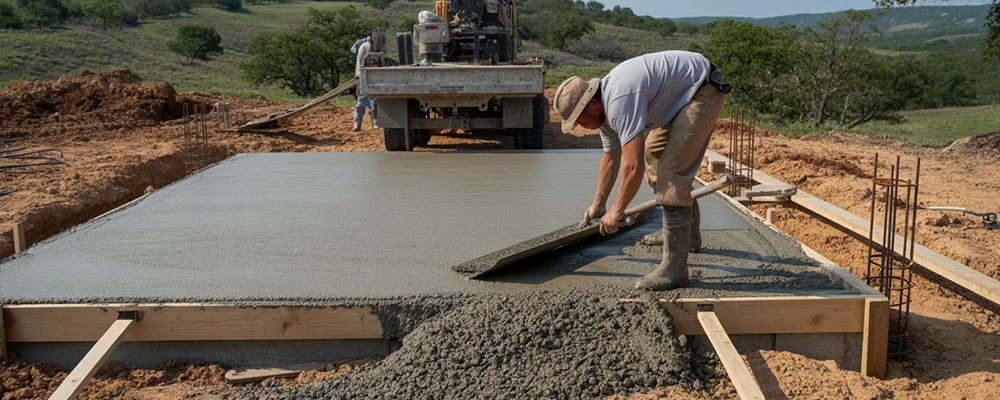
Concrete plays a central role in Hill Country building projects. From foundations to driveways and patios, concrete must withstand rugged terrain and changing climate. Proper site preparation supports concrete strength and durability.
Concrete work begins with excavation and grading. The ground must be stable and compacted before concrete is poured. Poor preparation can lead to cracking, uneven surfaces, and water intrusion. Precision during site prep protects the integrity of concrete systems for decades.
Driveways require special attention in rural areas. Heavy equipment, delivery trucks, and daily use demand strength and stability. Concrete driveways built on well prepared sites last longer and require fewer repairs. The same applies to patios and walkways that experience weather exposure and foot traffic.
Concrete solutions also support retaining walls and drainage features. These systems help manage elevation changes and control soil movement. When concrete is paired with expert craftsmanship and proper preparation, it delivers long term reliability.
Coordination, Scheduling, and Project Flow
Site prep affects the entire construction schedule. Delays during preparation often impact every phase that follows. Clear planning and coordination keep the project moving smoothly.
Heavy equipment access must be planned early. Narrow roads, steep slopes, and limited space affect how equipment reaches sites. Creating access routes during site prep improves safety and efficiency. It also protects surrounding property from damage.
Scheduling work during drier seasons helps control cost and timeline. Wet conditions slow excavation, grading, and concrete work. Strategic timing reduces downtime and protects soil stability. Builders with local expertise understand how climate affects site preparation in central Texas.
Communication between services matters. Excavation, grading, drainage, and foundation work must align. When handled as a comprehensive range of services, site prep becomes more efficient and reliable. This approach reduces mistakes and improves overall project quality.
Why Experience Matters for Hill Country Sites
Not all land is the same. Hill Country sites require specialized knowledge and precision. Builders who specialize in this region understand the complexity of limestone excavation, elevation changes, and drainage systems.
Experienced teams anticipate challenges before they become problems. They understand how soil movement affects foundations and how retaining walls support long term stability. Their commitment to detail protects the project and ensures consistent quality.
Working with professionals who serve the Hill Country brings peace of mind. Their expertise helps clients avoid costly mistakes and enjoy a smoother building experience. A well prepared site supports homes that stand strong for generations.
Final Tips Before You Break Ground
Walk the site with your builder before grading begins. Review drainage plans and utility locations. Confirm county rules for tree preservation and watershed protection.
A construction manager with Hill Country expertise often sees common issues early. One project lead shared:
“Most Hill Country sites have shallow topsoil over limestone. Understanding soil conditions early helps us engineer foundations that last for generations.”
Photos of real excavation, grading, and foundation layout help homeowners understand the process. For soil data, reference the Texas A&M Soil Survey for regional insights.
Closing Thoughts on Hill Country Site Prep
Site preparation sets the tone for every building project. Careful land clearing, grading, excavation, and drainage planning protect stability and quality. The Hill Country demands expertise, precision, and commitment.
With the right preparation, your home gains durability, peace, and long term value. Site prep may happen early, but its impact lasts for generations.