
The Texas Hill Country is known for dramatic slopes, limestone terrain, and sweeping views. That natural beauty also creates unique challenges for homeowners and builders. Steep grades, limestone bedrock, and clay-heavy soil affect how water moves across the land. During heavy rainfall, water runoff can accelerate quickly, increasing erosion and the risk of water intrusion around the home’s foundation.
Drainage for homes in the Texas Hill Country requires more than surface fixes after construction. Proper drainage protects foundations, landscaping, and long-term property value. Without it, homeowners may face foundation damage, mold growth, slippery surfaces, and recurring drainage issues. Early planning creates long-term protection. Experienced Hill Country builders understand how slope, soil, and water flow interact. River Hills Homes takes a holistic approach, integrating erosion control and drainage systems during site preparation rather than reacting later.
Why Drainage Is a Major Issue in the Texas Hill Country
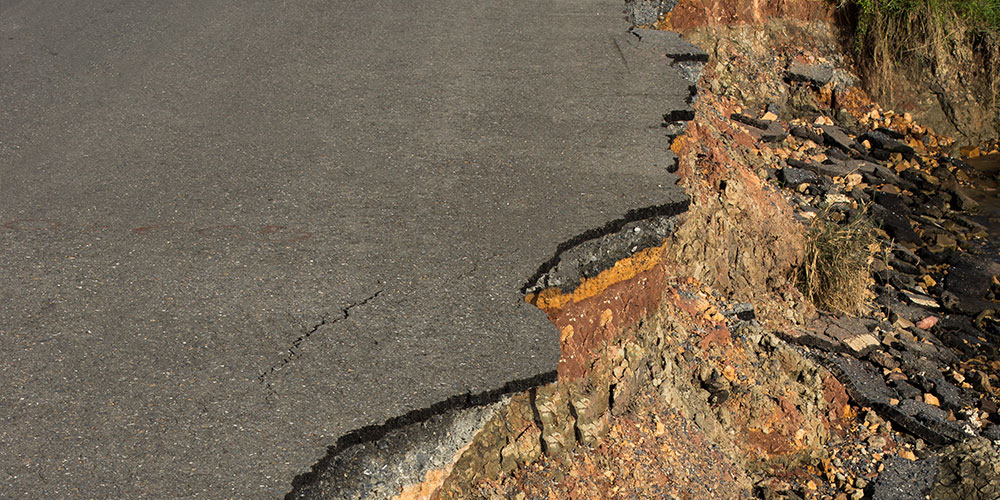
Drainage issues in the Hill Country start with the land itself. Sloped terrain increases the speed and volume of runoff. Limestone bedrock redirects subsurface water sideways instead of downward. Clay soil expands when saturated, placing stress on foundations and increasing the risk of cracking. Sudden storms common across Central Texas can overwhelm sites without effective water management.
Pooling water that lasts hours after a storm often signals poor soil permeability or improper grading. Many building guidelines recommend a minimum five percent slope away from the home for at least ten feet. Proper Hill Country site preparation considers these conditions early, helping prevent erosion and water intrusion before construction begins.
Common Erosion and Drainage Problems Homeowners Face
When drainage solutions are delayed or overlooked, problems often appear within the first few storms. These issues affect safety, comfort, and the long-term performance of a Hill Country home.
- Standing water or pooling near foundations
- Soil erosion along slopes, driveways, and walkways
- Sediment washing off the construction site
- Washed-out landscaping and exposed roots
- Foundation shifting caused by uneven moisture
Erosion can remove fertile topsoil, making the land less stable for future improvements. Sediment leaving the site may also affect water quality and harm nearby aquatic life. Professional drainage services help control erosion while protecting neighboring properties and the surrounding environment.
Grading and Site Design Solutions
Grading for sloped lots is one of the most effective drainage solutions available. Regrading involves shaping the land so water flows away from structures rather than toward them. Proper grading supports driveway placement, garage entry, and foundation elevation.
Dips and swales in backyards can help manage water runoff by directing rainwater where it needs to go. Natural depressions slow runoff and reduce erosion. Creating gentle channels prevents water from gaining speed as it moves downhill. Coordinated grading and site planning allows drainage systems to work efficiently without relying on constant maintenance.
Drainage Systems That Work in the Hill Country
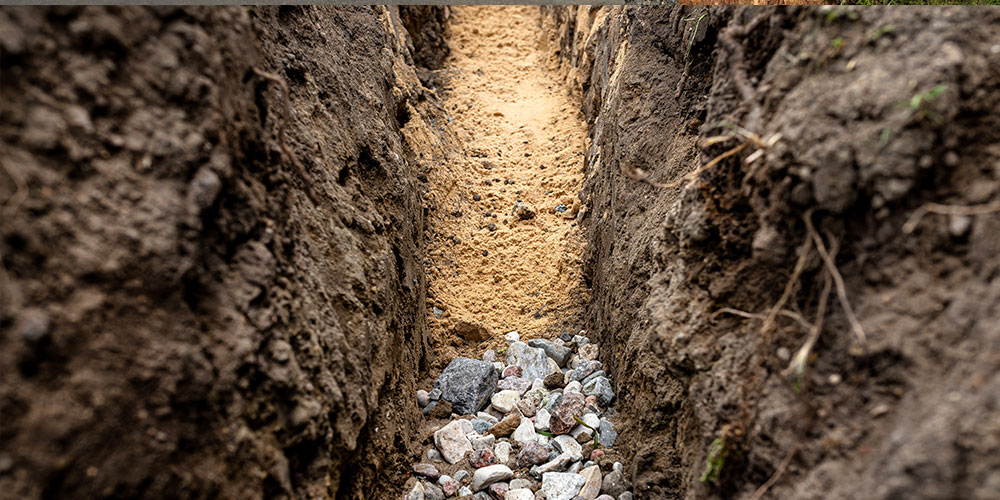
Effective drainage in the Texas Hill Country requires a combination of systems. Both surface and subsurface water must be managed due to rocky terrain and clay soils. A single solution rarely meets every property’s specific needs.
French Drains
French drains are proven methods for managing subsurface water. They redirect moisture away from foundations and reduce pressure in clay soil. French drains are especially effective on slopes and near retaining walls. When installed correctly, they protect the home’s foundation and help prevent long-term moisture problems.
Surface Drainage, Swales, and Channels
Surface drainage systems guide water safely across the property. Vegetated swales and dry creek beds capture and slow fast-moving runoff. These drainage channels reduce erosion while blending into the landscape. Dry creek beds built with native stone are popular in the Hill Country because they manage heavy rainfall while preserving natural beauty.
Rain Gardens and Natural Drainage Features
Rain gardens act as natural collection points for runoff. They slow water flow and improve absorption. Native plants stabilize soil and increase water catchment. These features align with sustainable home design strategies and improve the environment while managing moisture.
Retaining Walls and Slope Stabilization
Retaining walls play a key role in erosion control on steep properties. Retaining walls break long slopes into level terraces, reducing runoff speed and allowing better absorption. Stone and concrete are commonly used materials due to durability and compatibility with Hill Country landscapes.
Proper drainage behind retaining walls is essential. Without it, trapped moisture can lead to wall failure and soil movement. When designed correctly, retaining walls provide protection, visual structure, and long-term stability.
Erosion Control During Construction
Erosion and sediment control should begin before construction starts. Exposed soil erodes quickly during storms. Silt fences, temporary swales, and vegetative cover help control sediment movement across the construction site.
Effective erosion control begins with a thorough assessment of slope and soil conditions. Choosing the right materials matters. Regular inspections ensure erosion control measures remain effective. Builders must recognize that erosion control is not a one-time task. It requires ongoing attention throughout the project to protect soil quality and surrounding land.
The Role of Maintenance in Long-Term Drainage Performance
Drainage systems require regular maintenance to remain effective. Leaves, sediment, and debris can block drainage channels and French drains. Maintaining drainage systems includes periodic inspections and clearing obstructions.
Monitoring water flow during heavy rainfall provides insight into whether drainage features are functioning properly. Pooling water or new erosion patterns may indicate the need for adjustments. Regular maintenance prevents flooding, foundation damage, and costly repairs.
Professional Drainage Expertise in Central Texas
Several drainage experts specialize in drainage services across Central Texas. Hill Country Build brings decades of experience installing drainage systems tailored to rocky terrain. Hill Country Drainage focuses on trench and channel drains designed to manage excess runoff. The Grass Patch provides underground drainage solutions and surface corrections for residential properties.
Professional drainage services help assess specific needs, design effective drainage systems, and install solutions that protect foundations and landscaping.
How Early Planning Saves Money
Fixing drainage problems after construction often requires regrading, removing landscaping, or repairing foundations. These repairs cost significantly more than proactive planning. Coordinating drainage solutions during site preparation reduces rework and long-term maintenance.
Gutter extensions should discharge water at least three to five feet from the home’s foundation. Sump pumps may be necessary on certain sites to manage subsurface water. Planning these systems early helps ensure they work together rather than competing for space.
How River Hills Homes Plans for Drainage and Erosion
River Hills Homes evaluates drainage during early site assessment. Each Hill Country home receives a tailored plan based on slope, soil, and exposure. Grading, foundations, landscaping, and drainage systems are designed as a unified solution.
This approach reflects experience with Hill Country conditions and heavy rainfall patterns. Drainage features are integrated to protect the home, preserve the land, and support long-term performance.
If you are preparing to build in the Hill Country, early drainage planning is essential. River Hills Homes helps homeowners create solutions that protect property, maintain safety, and work with the land rather than against it.