

Building your custom home represents one of life’s most significant investments—both financially and emotionally. Yet despite careful planning and substantial budgets, many homeowners find their dream home journey becomes a source of stress, unexpected costs, and frustrating delays. The difference between a successful project and a problematic one often comes down to a single factor: communication.
If you’re just beginning your home building journey, understanding our custom home building process will help you see how communication shapes every phase of construction.
Industry research reveals that poor communication between homeowners and builders contributes to 70% of construction delays. More alarming still, communication breakdowns can add 15-20% to your project’s budget through costly mistakes, rework, and change orders that could have been prevented with clear dialogue from the start.
The importance of communication with your builder extends far beyond simple status updates. Effective communication serves as the foundation for translating your vision into reality, maintaining realistic timelines, controlling costs, and preserving your sanity throughout the home construction process. When communication flows smoothly, projects stay on track, budgets remain stable, and the building experience becomes collaborative rather than adversarial.
This comprehensive guide will walk you through every aspect of builder communication, from establishing protocols before construction begins to recognizing warning signs of communication breakdown. You’ll discover practical tools, proven strategies, and professional insights that ensure your custom home building journey stays on course from groundbreaking to move-in day.
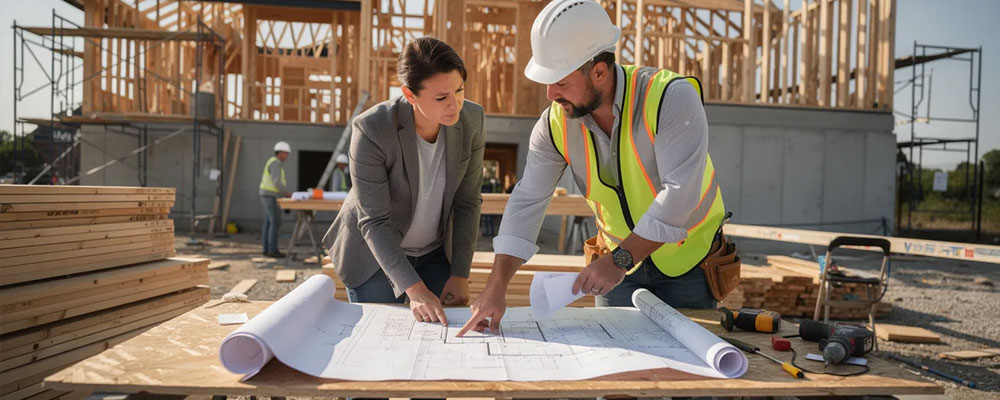
Why Builder Communication is Critical for Project Success
The role of communication in home construction cannot be overstated. Your custom home builder manages dozens of moving parts simultaneously—subcontractors, suppliers, permit offices, weather delays, and material deliveries—all while keeping your specific vision and timeline in focus. Without clear communication channels, this complex orchestration quickly becomes chaotic.
Effective communication prevents costly mistakes that plague the construction industry. A simple misunderstanding about outlet placement can cost thousands if discovered after drywall installation. Similarly, unclear specifications for finishes or fixtures often result in expensive change orders when homeowners see installed items that don’t match their expectations. These scenarios underscore why consistent communication throughout the construction process is essential for project success.
Clear dialogue ensures your vision is accurately translated into the final build. What seems obvious to you may not be clear to your builder, and vice versa. Regular discussions about layout preferences, material choices, and functional requirements help align expectations between all parties involved. This ongoing dialogue prevents the heartbreak of seeing your nearly completed home and realizing it doesn’t reflect your intended vision.
Regular updates help maintain realistic timelines and prevent surprises. Construction projects involve countless interdependent tasks where delays in one area create ripple effects throughout the schedule. When your home builder maintains open communication about progress, challenges, and upcoming decision points, you can adjust your own timeline accordingly and make timely choices that keep the project moving forward.
Strong communication builds trust and reduces homeowner stress throughout the 6-12 month construction process. Building a custom home naturally involves uncertainty and significant financial investment. When you receive consistent updates, transparent explanations of challenges, and collaborative problem-solving, you develop confidence in your builder’s competence and integrity. This trust transforms the building experience from a source of anxiety into an exciting journey toward your dream home.
The construction project becomes a partnership when communication flows effectively in both directions. Your builder brings technical expertise and industry knowledge, while you contribute lifestyle needs, aesthetic preferences, and budget priorities. This collaborative environment produces better outcomes than a one-way relationship where the builder works in isolation from your input and concerns.
Essential Communication Channels and Frequency
Establishing clear communication protocols before construction begins sets the foundation for a successful building experience. Professional builders understand that systematic communication prevents problems and keeps projects on track, so they typically propose structured communication plans during the initial consultation phase.
Weekly progress meetings via phone, email, or video calls represent the industry standard for regular project updates. These sessions provide opportunities to review completed work, discuss upcoming milestones, address any concerns, and make necessary decisions about materials or design elements. Scheduled weekly check-ins ensure that small issues are addressed promptly before they become significant problems requiring expensive solutions.
Daily text updates during critical phases like foundation pour or framing keep homeowners informed when construction activity intensifies. These brief messages might include photos of the day’s progress, confirmation that deliveries arrived on schedule, or advance notice of tomorrow’s planned activities. While daily communication isn’t necessary throughout the entire construction process, it becomes valuable during phases where rapid progress occurs or when your input might be needed quickly.
Monthly budget reviews to track expenses and change orders provide essential financial transparency. At River Hills, our budget and cost analysis service ensures clients receive detailed, transparent estimates from the start—no surprises later.
These comprehensive discussions should include updated cost tracking, discussion of any change orders since the last review, and projections for upcoming expenses. Regular budget reviews prevent surprise costs at project completion and help homeowners make informed decisions about additional features or upgrades during the home construction process.
Emergency contact protocols for urgent issues requiring immediate decisions ensure that time-sensitive situations don’t stall construction progress. Your communication plan should include after-hours contact information and clear guidelines about what constitutes an urgent situation. Examples might include discovery of unexpected site conditions, delivery of incorrect materials, or safety concerns that require immediate attention.
Project management apps like Buildertrend or CoConstruct provide 24/7 access to project information, schedules, photos, and documents. Our build on your lot program uses the same systematic communication to keep landowners informed every step of the way. These platforms serve as centralized hubs where all project stakeholders can access current information, review progress photos, approve change orders, and communicate through integrated messaging systems. Many homeowners find these tools reduce anxiety by providing constant visibility into their project’s status.
Modern Communication Tools That Enhance Collaboration
• Photo documentation through smartphones enables real-time progress sharing between construction sites and homeowner locations. Builders can instantly share photos of completed framing, installed fixtures, or material samples, while homeowners can photograph reference images or design ideas they want to discuss. This visual communication reduces misunderstandings and provides documentation of work quality at each phase.
• Cloud-based document storage ensures all parties access current blueprints, specifications, and change orders from any location. When plans are updated or change orders are approved, everyone working on your home receives immediate access to the most recent information. This eliminates confusion caused by teams working from outdated documents.
• Video walkthroughs allow remote homeowners to see daily progress through live or recorded tours of their construction site. These virtual visits are particularly valuable for homeowners who live far from their building site or cannot visit frequently due to work schedules. Video tours provide much more context than still photos alone.
• Digital approval systems accelerate decision-making for material selections, change orders, and design modifications. Instead of waiting for in-person meetings or mailed documents, homeowners can review proposals, ask questions, and provide approvals through secure online platforms. This speed keeps construction moving forward without delays.
How Poor Communication Impacts Your Build
Communication breakdowns create cascading problems that affect every aspect of your home building project. Understanding these consequences helps emphasize why investing time and effort in clear communication delivers significant returns in project success and personal satisfaction.
Budget overruns averaging $50,000-$100,000 on custom homes frequently result from miscommunication about scope, specifications, or change order processes. When homeowners and builders operate with different assumptions about what’s included in the base contract, disputes arise that often result in expensive modifications or rework. Similarly, verbal agreements about changes without proper documentation lead to disagreements about pricing and scope.
Timeline delays extending projects by 3-6 months beyond original completion dates commonly stem from poor communication about decisions, approvals, and coordination. When homeowners delay material selections because they weren’t informed about decision deadlines, entire phases of work must be postponed. Communication breakdowns between builders and subcontractors can also create scheduling conflicts that ripple through the entire project timeline.
Legal disputes arise from unclear specifications or undocumented changes when verbal agreements are later remembered differently by different parties. Without written records of conversations and decisions, homeowners and builders may have genuinely different recollections of what was agreed upon. These disputes often require costly legal intervention to resolve and create adversarial relationships that make project completion more difficult.
Quality issues occur when subcontractors work from outdated or incorrect information due to communication breaks in the chain of command. If electrical contractors install outlets based on old plans because updated layouts weren’t communicated properly, expensive rework becomes necessary. Poor communication about quality standards can also result in workmanship that meets building codes but falls short of homeowner expectations.
Emotional stress and damaged relationships between homeowner and builder create lasting negative effects that extend beyond the construction project itself. When homeowners feel kept in the dark about progress, problems, or decisions, they lose confidence in their builder’s competence and integrity. This stress often affects family relationships and can turn the exciting experience of building a dream home into a source of ongoing anxiety and conflict.
The construction project atmosphere becomes adversarial rather than collaborative when communication fails. Instead of working together to solve problems and make decisions, homeowners and builders may become suspicious of each other’s motives. This dynamic makes every issue more difficult to resolve and often leads to suboptimal solutions that neither party finds satisfactory.
Best Practices for Effective Builder Communication
Proactive communication strategies prevent problems and build positive working relationships throughout your home construction project. These proven practices help ensure information flows clearly in both directions and that all decisions are properly documented and understood.
Document all conversations with written follow-ups within 24 hours of any significant discussion. After phone calls, site meetings, or in-person conversations about changes, timeline adjustments, or problem resolution, send a brief email summarizing what was discussed and any decisions that were made. This practice creates a paper trail that prevents misunderstandings and provides reference material for future discussions.
Establish a single point of contact to avoid conflicting messages from different team members. Your communication plan should clearly identify whether you’ll work primarily with the builder owner, project manager, site supervisor, or office coordinator. When multiple people provide updates or make decisions, conflicting information often creates confusion about project status and next steps.
Schedule regular site visits during key milestones like rough-in inspections, framing completion, and pre-drywall walkthroughs. These in-person meetings allow you to see progress firsthand, ask questions about specific details, and identify any concerns before work proceeds to the next phase. Site visits also demonstrate your engagement in the project and provide opportunities to build stronger relationships with your builder and their team.
Ask questions immediately rather than waiting for weekly meetings when you notice something that seems incorrect or unclear. Quick clarification prevents small issues from becoming larger problems and shows your builder that you’re paying attention to details. Most builders prefer to address questions promptly rather than discover concerns later when corrections become more expensive and time-consuming.
Maintain detailed records of all decisions, approvals, and change orders using either digital files or physical folders organized by topic. This documentation serves as your project memory and becomes invaluable when questions arise about previous decisions or when warranty issues need to be addressed after move-in. Well-organized records also help you track budget impacts of various changes throughout the building process.
Managing Change Orders Through Clear Communication
• Request written estimates before approving any modifications to scope, materials, or timeline to understand full cost and schedule implications of proposed changes
• Understand how changes affect timeline and labor scheduling since modifications often impact multiple trades and can create scheduling conflicts that extend project completion
• Get detailed explanations of cost impacts on both materials and labor because change orders affect more than just material costs—they often require coordination time and may create inefficiencies
• Review change orders within 48 hours to prevent construction delays since crews may need to pause work while waiting for homeowner approval of modifications

Setting Communication Expectations Before Construction Begins
The foundation for successful builder communication is established during the contractor selection process, well before construction begins. Taking time to discuss and agree on communication protocols helps prevent misunderstandings and creates a framework for collaboration throughout your home building journey.
Define preferred communication methods during initial meetings to ensure compatibility between your communication style and your builder’s capabilities. Some homeowners prefer detailed email updates they can review at their convenience, while others want brief text messages with progress photos. Similarly, some builders excel at verbal communication during site meetings, while others provide more thorough written documentation. Finding common ground prevents frustration later in the project.
Agree on response timeframes for different types of requests to set realistic expectations for both parties. Emergency situations requiring immediate attention might warrant phone calls and expect responses within hours, while routine approvals for material selections might allow 48-72 hours for consideration. Clear expectations prevent frustration when responses don’t arrive as quickly as expected.
Establish meeting schedules and site visit policies to balance your desire for involvement with the builder’s need for productive work environments. Some builders welcome frequent homeowner visits, while others prefer scheduled visits to avoid safety concerns and work interruptions. Discussing these preferences upfront prevents conflicts about site access and ensures your visits provide maximum value.
Clarify roles and responsibilities for decision-making to avoid delays when choices need to be made quickly. If you’re married or building with a partner, establish who can make decisions independently and what choices require joint approval. Similarly, clarify which team members on the builder’s side have authority to make specific types of decisions without seeking additional approvals.
Create emergency contact procedures for urgent situations that might arise outside normal business hours. True emergencies in construction are relatively rare, but when they occur—such as weather damage, safety hazards, or utility problems—quick communication can prevent more serious issues from developing.
The communication plan should also address how often the project timeline will be updated and shared. Construction schedules change frequently due to weather, material deliveries, permit approvals, and other factors beyond anyone’s control. Regular schedule updates help you adjust your own plans accordingly and make informed decisions about timing for related activities like temporary housing or moving arrangements.
Red Flags: Warning Signs of Poor Builder Communication
Early identification of communication problems allows you to address issues before they become serious obstacles to project success. Recognizing these warning signs enables proactive intervention that can save time, money, and stress throughout your building experience.
Delayed responses to emails or calls lasting more than 48 hours during active construction phases suggest either poor organization or lack of priority given to client communication. While builders manage multiple projects simultaneously, professional operations maintain systems for timely response to client inquiries. Consistently slow responses often indicate deeper problems with project management capabilities.
Vague updates that lack specific progress details or timelines provide little value for homeowners trying to understand project status. Professional progress reports should include specific accomplishments, upcoming activities, and concrete timelines for next steps. Updates like “things are going well” or “we’re making progress” don’t provide sufficient information for informed decision-making.
Reluctance to provide written documentation of conversations about changes, problems, or decisions suggests either poor record-keeping practices or possible attempts to avoid accountability. Professional builders understand the importance of documentation and willingly provide written summaries of important discussions. Resistance to documentation often signals potential problems with transparency.
Avoiding questions about budget, timeline, or material choices indicates possible problems with project management or financial transparency. Experienced builders can provide clear explanations for cost changes, timeline adjustments, and material recommendations. Evasive answers to straightforward questions about these topics warrant further investigation.
Inconsistent information from different team members suggests poor internal communication within the builder’s organization. When the project manager says one thing, the site supervisor says another, and the office coordinator provides a third version, it indicates communication breaks within the building team that will likely affect project coordination.
Failure to notify homeowners about delays, issues, or necessary decisions demonstrates lack of respect for the client relationship and poor project management practices. Professional builders proactively communicate problems and maintain transparency about challenges that arise. Learning about significant issues through accidental discovery rather than proactive notification indicates serious communication deficiencies.
The Financial Impact of Good Communication
Clear communication with your builder delivers measurable financial benefits that often exceed the time investment required to maintain open dialogue throughout the construction process. Understanding these economic advantages helps justify the effort required for consistent communication practices.
Well-communicated projects stay within 5% of original budgets on average, compared to poorly communicated projects that often exceed budgets by 15-20% or more. This dramatic difference results from better scope definition, timely decision-making, and proactive problem-solving that prevents expensive rework. When expectations are clearly defined and regularly reinforced, fewer surprises arise that require costly solutions.
Early problem identification through consistent communication saves thousands in potential rework costs. Issues discovered during framing are far less expensive to correct than identical problems found after mechanical systems are installed and drywall is complete. Regular site visits and open dialogue create opportunities to catch problems when solutions remain relatively simple and affordable.
Clear specifications prevent expensive material ordering mistakes that can add significant costs to custom home projects. When finishes, fixtures, and systems are thoroughly discussed and documented, the likelihood of ordering incorrect items decreases substantially. Material mistakes not only create direct replacement costs but also often cause schedule delays that impact labor efficiency.
Timely decisions keep subcontractors on schedule, avoiding rush charges and inefficient work patterns. When electricians can install wiring according to the original schedule rather than returning later for additional work, labor costs remain predictable. Similarly, when material selections are finalized before installation begins, contractors can work efficiently without interruptions for clarification.
Transparent budget tracking helps prioritize spending on must-have features while identifying areas where costs can be controlled. Regular budget reviews enable informed decisions about where to invest in upgrades and where standard specifications meet your needs. This ongoing financial dialogue prevents surprise cost overruns and ensures money is allocated to features that provide the most value for your lifestyle.
The positive working relationship created through good communication often results in better pricing for change orders and additional work. Builders who trust their clients and enjoy working with them are more likely to provide competitive pricing for modifications and may suggest cost-effective alternatives when problems arise. Conversely, adversarial relationships often result in premium pricing for any additional work.
Effective communication also reduces the likelihood of costly disputes that require legal intervention or formal mediation. When decisions are properly documented and expectations are clearly managed, disagreements can typically be resolved through direct discussion rather than expensive third-party intervention. The time and money saved by avoiding legal disputes provides significant value beyond the direct construction costs.
The importance of communication with your builder extends far beyond simple project updates—it serves as the cornerstone of successful custom home construction. Clear communication has always been central to how we work at River Hills Homes—it’s a tradition that goes back four generations of builders.
From preventing costly mistakes and managing expectations to building trust and ensuring financial transparency, clear and consistent communication transforms the building process from a source of stress into a collaborative journey toward your dream home.
By implementing the communication strategies outlined in this guide, you create a framework for success that benefits all parties involved in your construction project. Your builder gains a well-informed client who makes timely decisions and understands the complexities of the home construction process, while you receive the transparency, professionalism, and peace of mind that make building a custom home an exciting and rewarding experience.
Remember that good communication is a two-way street requiring active participation from both homeowner and builder. Start these conversations during the contractor selection process, maintain consistent dialogue throughout construction, and don’t hesitate to address concerns promptly when they arise. Your investment in clear communication will pay dividends in project success, budget control, and personal satisfaction with your finished home.
The ultimate goal is creating not just a well-built house, but a smooth process that strengthens relationships and delivers the custom home you envisioned. Through thoughtful communication practices, your building experience becomes a positive chapter in your family’s story rather than a source of ongoing stress and regret.
Ready to experience a truly collaborative build? Contact River Hills Homes to discuss your vision for a Hill Country custom home.