
A River Hills custom home usually takes about 12 to 14 months from the first meeting to the final walkthrough. About 2 to 4 months of that goes to design, selections and permits, and about 9 to 11 months is construction. Your lot, your design and the number of changes along the way decide where you land in that range.
Updated November 2026. This guide walks through each stage, what can slow a build down on Hill Country land, and how you can follow the schedule while your home goes up.
Key Takeaways
- Plan on about 12 to 14 months from the first meeting to the final walkthrough.
- Design, selections and permits take about 2 to 4 months. Construction takes about 9 to 11 months.
- Size and complexity, the lot, the weather, materials and change orders are what move the schedule.
- On Hill Country land, rock, wells, septic and water-quality rules can add steps before the foundation is poured.
- River Hills runs the schedule through a project-management portal, so you can see progress, photos and the current timeline.

A Custom Home Timeline, Stage by Stage
| Stage | Typical time |
|---|---|
| Initial meeting with the builder | 1 to 3 weeks |
| Site visit and property assessment | 1 to 3 weeks |
| Design and selection coordination | 2 to 4 weeks |
| Planning and permitting | 4 to 8 weeks |
| Construction, foundation to completion | 9 to 11 months |
| Total, first meeting to final walkthrough | About 12 to 14 months |
For comparison, the Census Bureau’s 2025 figures put the average contractor-built home in the South at 9.0 months from start to completion, and 10.5 months nationally. A home built for sale, the kind in a subdivision, averaged 5.5 months in the South. Those are averages across every kind of home, so use them as a yardstick, not a promise.
The Home Building Process in Texas
Building a custom home starts well before anyone breaks ground. The first stages set the budget, the design and the schedule for everything after them.
Initial Meeting with the Home Builder
In the first meeting you share your ideas, your needs and your budget. You talk through size, layout and features, and the builder shows you floor plans and explains how the project would run.
Site Visit and Property Assessment
Next, the builder walks the property and looks at the terrain, the soil and anything already on it. That visit shapes the first estimate of cost and time, and on Hill Country land it often matters more than the floor plan. River Hills turns it into a line-item Budget Cost Analysis before you commit.
Design and Selection Coordination
As the design moves forward, you work with the builder’s team and possibly an interior designer to settle the layout, finishes and other details. A geotechnical firm may also test the soil so the foundation is designed for that specific lot.
Key Phases of Custom Home Construction
Each phase depends on the one before it, so your builder coordinates them to keep the project on track.
Planning
You work with your builder to finalize the design and get permits. This phase covers your first ideas, wants against needs, a preliminary budget and the architectural plans.
Site Preparation and Foundation
The team clears the land, excavates and pours the foundation, which supports the whole structure. Rock can make this stage take longer, and our guide to Hill Country site preparation explains why.
Framing and Rough-In
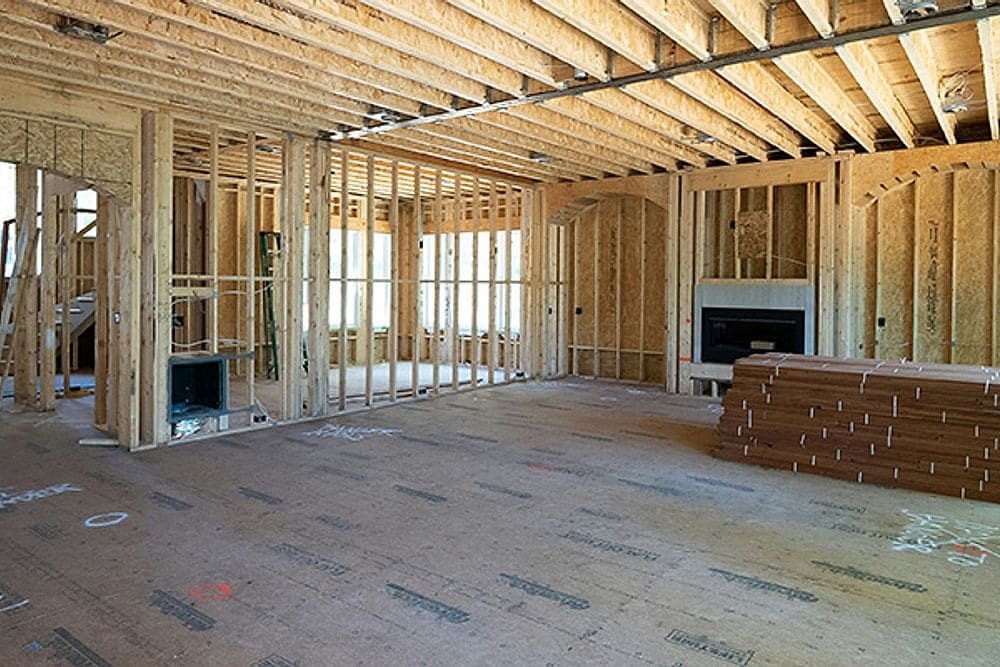
Framing builds the home’s skeleton: the walls, floors and roof. Then the electrical, plumbing and HVAC systems go in.
Drywall, Millwork, and Painting
Next, the interior takes shape. Drywall creates the walls and ceilings, followed by millwork such as trim, doors and cabinets. Painting comes last, in the colors you chose.
Finishes and Landscaping
The final phase adds flooring, countertops, plumbing fixtures, appliances and other finishes inside, then landscaping outside.
How Long Does It Take to Build a Custom Home in Texas?
A River Hills custom home typically takes 12 to 14 months from the first meeting to the final walkthrough, with 9 to 11 of those months under construction. A production home in a subdivision usually goes faster because the plan, the lot and the selections are already set. A custom home adds steps at both ends: design and selections up front, then details built for you rather than repeated from the last house. The schedule changes with the size of the home, the weather, the availability of materials and workers, and how many changes you make once work starts. Changes are welcome, because this is your home, but they do add time, especially late ones. The best way to get a real schedule is to start with your lot and your plan, because those two things decide more than any rule of thumb.
What Can Slow a Build Down on Hill Country Land
A timeline from another part of Texas does not always travel to the Hill Country. These are the steps that can come up on land around New Braunfels, Canyon Lake, Wimberley, Driftwood, Dripping Springs and Spicewood.
- Rock. Limestone sits close to the surface across much of the area. It can slow excavation and can call for an engineered foundation.
- Wells and septic. Most rural lots need a private well into the Trinity Aquifer and an on-site septic system, and each has its own permit. Our guides to septic systems and planning utilities cover both.
- Water-quality rules. Parts of Comal and Hays counties lie over the Edwards Aquifer, where a build can require a state water-quality plan.
- Floodplains. A lot near the Comal, the Guadalupe or the Blanco River gets sited with the floodplain in mind.
- Who issues your permits. It depends on the lot. Spicewood alone is spread across Burnet, Travis and Blanco counties. Here is how permits work in Comal County.
None of this is unusual out here, and it all goes better when it is planned before the design is final.
Factors Affecting Construction Timelines
Size and Complexity of the Home
Bigger, more complex homes take longer to build. The number of bedrooms and bathrooms, special features and the total size all affect the timeline, so talk about your design wishes with your builder early.
Weather Conditions and Change Orders
Rain, extreme heat and other bad weather can slow work such as site preparation, the foundation and exterior finishes. Builders often plan extra time for weather, but be ready for delays anyway. Changes are not discouraged, but they will typically cause delays, especially when they are last minute.
Material and Labor Availability
Getting the right materials and skilled workers can also change the timeline. Supply problems, material shortages and worker shortages can all cause delays. Strong supplier and subcontractor relationships help a builder handle them.
Communication and Progress Updates
Keeping in touch with your builder is key during a custom build. Regular updates and meetings at important stages keep the project clear and on schedule.
Weekly Updates and On-Site Meetings
Your builder should give you regular updates on how the build is going, including:
- Tasks done and what is next
- Any delays or problems
- Changes to the original plan
- When to expect important milestones
Your builder should also set up meetings at key points during the build:
- Siting of the home, to check its location on the lot
- Framing stage, to look at the structure and layout
- Electrical and cabinets, to walk through before everything is wired and ordered
- Final walkthrough, to make sure the finished home is right
River Hills runs the schedule through a project-management portal, so you can see progress, photos and the current timeline at any point. After move-in, every build closes with walkthroughs at completion, at around 45 days and at around 11 months, backed by an in-house warranty. Our Transparency Policy spells it out.
Frequently Asked Questions
How long does it typically take to build a 2000 sq ft house?
Expect the same stages as a larger home, because size alone does not cut the schedule as much as most people think. A 2,000 square foot custom home still needs design, selections, permits, site work, framing, rough-ins and finishes. At River Hills the full path runs about 12 to 14 months from the first meeting to the final walkthrough, and a smaller, simpler plan sits toward the short end of that range. What moves the schedule more than square footage is the lot and the level of detail. Rock can slow the foundation, a rural lot may need a well and a septic system, and custom details take longer than stock ones. How quickly you settle your selections matters too. If you have a lot and a rough plan in mind, a site visit will give you a far better answer than any square-foot rule.
How long does it take to build a large house?
Longer than the average home, and how much longer depends on complexity as much as square footage. A larger home brings more rooms, more trades on site, a bigger foundation and roof, and more selections to settle, so it tends to sit at the long end of a normal schedule or run past it. A simple large plan can move faster than a smaller home with complicated roof lines, vaulted ceilings and custom stonework. Long-lead materials such as custom windows and cabinetry matter more too, because one late order can hold up the trades behind it. River Hills sets the schedule for your specific plan during pre-construction, then keeps it current in a project-management portal, so you hear about a change as it happens. Talk with us about your plan and we will walk you through what to expect on your lot.
Talk With Us About Your Timeline
The best next step is a conversation about your lot and your plan. Contact River Hills Homes or call (830) 643-0501. If you are still working out the budget, see how custom home builders charge and what it costs to build in New Braunfels.
River Hills builds custom homes in New Braunfels, Canyon Lake, Wimberley, Driftwood, Dripping Springs and Spicewood.