
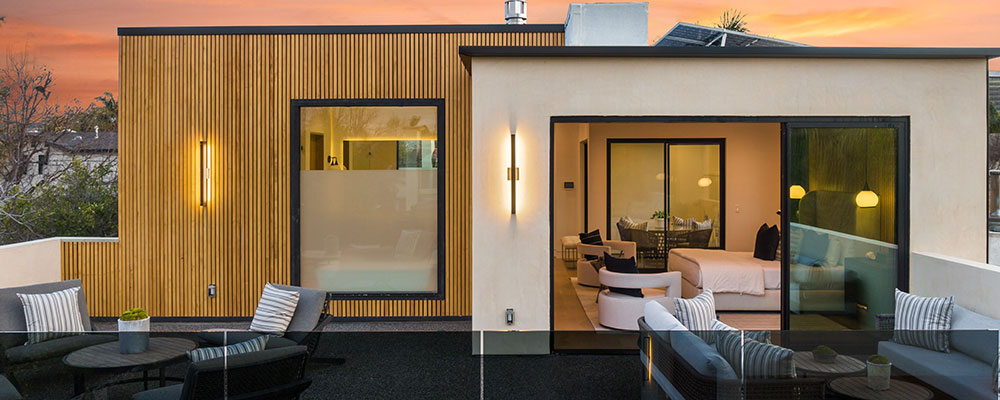
The assumption that custom builds always cost more than existing homes is one of the most persistent myths in real estate. While it’s true that custom homes often start with a higher price per square foot, the complete financial picture tells a different story. When you factor in renovation costs, upgrades, and long-term value, building a custom home can actually be more cost-effective than purchasing an existing property.
Understanding the true cost of custom construction requires looking beyond initial sticker prices. From hidden expenses in existing homes to the transparent pricing of custom builds, the reality is far more nuanced than most homeowners realize.
The Reality: Custom Builds Aren’t Always More Expensive
The common perception that custom homes are automatically more expensive stems from comparing base construction costs without considering the total investment. In reality, custom builds offer several financial advantages that can make them competitive with or even less expensive than existing homes.
Transparent Pricing Eliminates Surprises
Unlike purchasing an existing house where inspection surprises and hidden issues can add thousands to your total cost, custom builds provide complete transparency from day one. Every material, fixture, and design element is specified and priced before the construction process begins, giving you full control over your overall budget.
When you purchase an existing home, you’re essentially buying someone else’s design choices – many of which you’ll likely want to change. The cost of these modifications can quickly add up, often exceeding what you would have paid for a custom build with exactly the features you want from the start.
Eliminating Renovation and Update Costs
Existing homes typically require immediate updates and repairs that can cost between $20,000 and $75,000 in the first year alone. Outdated electrical systems, aging plumbing, inefficient HVAC units, and cosmetic updates to match your preferences are common expenses that custom home buyers avoid entirely.
With a custom home, you start with modern building codes, energy-efficient systems, and your preferred design choices. There’s no need to rip out granite countertops to install the kitchen island you actually want, or to upgrade to heated floors after the fact – these features are built in from the beginning at a much lower cost than retrofitting.
Price Per Square Foot Comparisons Miss the Mark
Comparing price per square foot between custom builds and existing homes before construction begins doesn’t account for the hidden costs and compromises involved in purchasing existing properties. Custom homes eliminate the need for costly compromises and future modifications that drive up the total price of existing home ownership.
Factors That Influence Custom Build Costs

Several key factors determine whether building a custom home will cost more or less than purchasing an existing property. Understanding these factors helps you make informed decisions about your overall budget and design choices.
Location and Land Costs
Land acquisition represents one of the most variable costs in custom home construction, typically accounting for 20-25% of your total project cost. Depending on your location, land prices can range from $40,000 in remote areas to over $400,000 in desirable locations.
The condition of your chosen lot also significantly impacts costs. Raw land requiring extensive site preparation, utility hookups, and grading can add tens of thousands to your project. However, choosing improved lots with existing utilities and minimal preparation needs can help keep costs comparable to existing home purchases in the same area.
Size and Square Footage
Your home’s square footage directly correlates with construction costs, but custom builds offer the advantage of optimized space planning. Unlike existing homes that may have inefficient layouts or unused formal spaces, custom homes can maximize every square foot of living space to meet your specific needs.
Building upward with a two-story design may cost less per square foot than sprawling single-story layouts, as you minimize foundation and roofing expenses while maximizing your living space. Careful planning of room sizes and eliminating rarely-used spaces can significantly reduce your overall cost while creating a more functional home.
Quality of Materials and Design Complexity
The beauty of custom construction lies in your ability to control costs through strategic material selections and design choices. High quality materials don’t always mean high costs – engineered stone countertops, luxury vinyl plank flooring, and mid-range appliances can provide the look and functionality you want without breaking your budget.
Design complexity has a major impact on labor costs and construction timeline. Simple, efficient floor plans with straight walls and minimal angles reduce construction complexity and keep skilled labor costs manageable. Complex architectural features and unique design elements drive up both material and labor expenses.
Breaking Down the Major Cost Components
Understanding how your budget breaks down across different project components helps you make informed decisions about where to invest and where to save:
| Cost Component | Percentage of Budget | Typical Range |
| Land acquisition | 20-25% | $40,000-$400,000+ |
| Construction labor and materials | 60-70% | Varies by size and finishes |
| Builder fees | Fixed amount | $40,000-$150,000 |
| Architect and design fees | 1-10% | Based on construction cost |
| Permits and inspections | Variable | $1,000-$10,000 |
This cost breakdown shows that the largest controllable variables are your choice of land and the construction specifications you select. Working with an experienced custom home builder helps you optimize these decisions for maximum value.
Strategies to Build Custom Homes on Budget
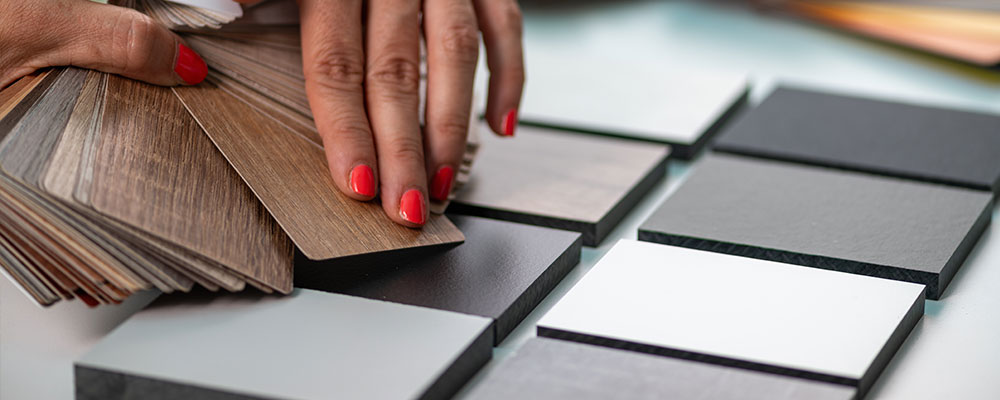
Building a custom home within your budget requires strategic decision-making throughout the design and construction process. These proven strategies help you achieve your dream home without overspending.
Simplify Your Architectural Design
Complex floor plans with multiple angles, bump-outs, and architectural flourishes significantly increase construction costs due to increased framing complexity and material waste. Streamlined designs with simple rooflines and efficient layouts reduce both material costs and skilled labor requirements.
Focus on creating spaciousness through high ceilings and large windows rather than adding square footage. This approach provides the luxury feel you want while keeping your overall budget in check. Open-concept designs also eliminate walls and reduce construction complexity while creating flexible living spaces.
Smart Material and Design Choices
Your material selections have enormous impact on your project’s total cost, but smart choices can provide luxury aesthetics at moderate prices. Consider these cost-effective alternatives that don’t compromise on quality:
- Engineered stone instead of natural stone slabs for countertops
- Luxury vinyl plank instead of hardwood for flooring throughout high-traffic areas
- Mid-range appliances that offer the latest technologies without premium brand markup
- Large format tiles that create a high-end look with lower installation costs
Strategic use of premium materials in key areas like the kitchen island or master bathroom creates focal points while using more budget-friendly options in less prominent spaces.
Work with Experienced Custom Home Builders
The right custom home builder brings invaluable expertise to your project, helping you navigate design choices that maximize value while minimizing unexpected expenses. Experienced builders have established relationships with suppliers, potentially securing better pricing on materials and fixtures.
Quality project management from skilled builders prevents costly mistakes and delays that can blow your budget. They can suggest alternative approaches that achieve your goals at lower cost and help you prioritize features that provide the best return on investment.
Long-Term Financial Benefits of Custom Builds
While the upfront investment in a custom build may seem substantial, the long-term financial benefits often outweigh initial costs, making custom homes a smart investment for your future.
Faster Appreciation and Market Value
Custom homes typically appreciate faster than production homes due to their unique features and modern construction. Because they’re built to current codes with energy-efficient systems and personalized design elements, they tend to maintain higher market value over time.
Your custom home won’t need the immediate updates and renovations that existing homes require, meaning more of your money goes toward building equity rather than fixing problems. This lack thereof of immediate repair needs also makes your property more attractive to future buyers.
Energy Efficiency and Operating Costs
Modern building codes and construction techniques result in significantly lower utility costs compared to older existing homes. Energy-efficient windows, insulation, and HVAC systems can reduce monthly utility bills by hundreds of dollars, savings that compound over years of ownership.
Many custom homes incorporate the latest technologies for home automation and energy management, further reducing operating costs while increasing convenience and comfort for homeowners.
Warranty Coverage and Reduced Maintenance
New construction comes with comprehensive warranty coverage for structural elements, major systems, and many components. This protection against unexpected expenses provides peace of mind that existing home buyers rarely enjoy.
Because everything in your custom home is new, you’ll face minimal maintenance and repair costs for the first several years of ownership, freeing up money for other investments or lifestyle expenses.
Comparing Custom vs. Production Home Costs
Production home builders benefit from economies of scale that allow them to offer lower base prices per square foot. However, the total cost of ownership often favors custom builds when you account for necessary upgrades and modifications.
Production Home Upgrade Costs
Most production homes require $50,000 to $100,000 in upgrades to match the quality and features that come standard in custom builds. These upgrades often cost more when added to production homes than they would cost in a custom build, where they’re incorporated during the original construction process.
Popular upgrades in production homes include:
- Premium flooring throughout the house
- Upgraded kitchen appliances and countertops
- Enhanced bathroom fixtures and finishes
- Additional storage and closet space
- Covered outdoor living areas
- Spacious garages
Hidden Costs in Existing Home Purchases
Existing home purchases involve numerous costs beyond the purchase price that many buyers don’t anticipate:
Immediate Repair and Update Costs: Systems like electrical, plumbing, and HVAC may need replacement or major repairs within the first few years, potentially costing $20,000 to $75,000 or more.
Transaction Costs: Realtor commissions, closing fees, inspections, and other transaction-related expenses typically add 6-8% to the home’s purchase price.
Property Tax Reassessment: Many states reassess property taxes after a sale, potentially increasing your annual tax burden significantly compared to the previous owner’s rate.
Code Compliance Issues: Older homes may have systems or modifications that don’t meet current building codes, requiring expensive updates for safety or legal compliance.
Working with Custom Home Builders

The success of your custom build project depends heavily on selecting the right general contractor and project managers. Experienced home builders bring expertise that can actually save you money throughout the building process.
Expertise in Cost Management
Professional custom home builders help clients optimize their budgets through strategic suggestions about materials, design modifications, and construction methods. Their experience with similar projects helps them identify potential cost savings without compromising quality or your vision.
Established builders have relationships with suppliers and subcontractors that can result in better pricing on materials and specialized labor. They also understand local permitting requirements and can navigate the approval process efficiently, avoiding costly delays.
Project Management and Quality Control
Skilled project management prevents the costly mistakes and delays that can derail a construction budget. Professional builders coordinate all aspects of construction, ensuring work proceeds on schedule and meets quality standards.
Quality control throughout the construction process means problems are caught and corrected before they become expensive issues. This careful planning and oversight protects your investment and ensures the finished product meets your expectations.
Making Custom Builds Financially Feasible
Several financing options and strategies can make custom home construction accessible to more buyers, even those with budget constraints.
Construction-to-Permanent Loans
These specialized loans streamline the financing process by covering land purchase, construction costs, and then converting to a traditional mortgage upon completion. This eliminates the need for separate construction and permanent financing, reducing closing costs and complexity.
Phased Building Approach
Building your custom home in phases allows you to spread costs over time and build only what you can afford initially. You might start with essential living spaces and add features like finished basements, expanded outdoor areas, or luxury amenities as your budget allows.
Strategic Lot Selection
Choosing the right piece of land can save significant money on your overall project. Lots with existing utilities, minimal grading requirements, and proper drainage can save $50,000 to $200,000 compared to raw land requiring extensive development.
Value Engineering
Regular review of plans and specifications with your builder and architect helps identify opportunities to achieve your goals at lower cost. This process might involve selecting alternative materials, simplifying certain design elements, or finding more efficient ways to create the space and features you want.
The Bottom Line
The question of whether custom builds are more expensive doesn’t have a simple yes or no answer. While custom homes may have higher upfront construction costs per square foot, they often provide better value when you consider the total cost of ownership, including renovations, updates, and long-term operating expenses.
Custom builds offer transparent pricing, eliminate the need for immediate renovations, and provide exactly the features you want without compromise. When you factor in the hidden costs of existing home purchases and the long-term benefits of modern, efficient construction, custom builds often represent a smart financial investment.
The key to building an affordable custom home lies in careful planning, strategic design choices, and working with experienced professionals like River Hills Homes, who can help you maximize value within your budget. Whether custom builds cost more ultimately depends on your specific situation, but for many homeowners, the total value proposition strongly favors building new over buying existing.